


Hey there! As a supplier of LED street lights, I often get asked whether these lights are truly environmentally friendly. Well, let's dig deep into this topic and find out.
First off, let's talk about energy efficiency. LED street lights are a game - changer in this department. Traditional street lights, like high - pressure sodium lamps, waste a lot of energy in the form of heat. You know, when you touch an old - fashioned street light after it's been on for a while, it's scorching hot! That's because a significant portion of the electricity they consume is converted into heat instead of light.
On the other hand, LED street lights are highly efficient. They convert most of the electrical energy into light, with very little wasted as heat. This means they use up to 50 - 70% less energy than traditional street lights. Think about the big cities out there with thousands of street lights. If they all switch to LED street lights, the energy savings would be massive. It's like taking a huge number of cars off the road in terms of energy conservation. This reduced energy consumption directly translates to less demand on power plants, many of which rely on fossil fuels like coal and natural gas. Burning these fossil fuels releases greenhouse gases such as carbon dioxide into the atmosphere, contributing to global warming. So, by using LED street lights, we can help cut down on these harmful emissions.
Another aspect is the lifespan of LED street lights. Traditional street lights have a relatively short lifespan. For example, high - pressure sodium lamps usually last around 12,000 - 24,000 hours. In contrast, LED street lights can last up to 50,000 - 100,000 hours. This longer lifespan means fewer replacements. Fewer replacements not only save money on the cost of new lights but also reduce the amount of waste going into landfills. When we have to replace a large number of traditional street lights, we generate a significant amount of electronic waste. This waste can contain hazardous materials like mercury, which can seep into the soil and water if not properly disposed of. LED street lights, however, don't contain mercury or other toxic substances, making them a much cleaner option in terms of waste management.
Now, let's look at the light quality. LED street lights offer better lighting quality compared to traditional ones. They can be designed to emit a more focused and uniform light, which means less light pollution. Light pollution is a big problem these days. It disrupts the natural cycles of wildlife, affects human sleep patterns, and even makes it difficult to stargaze. With LED street lights, we can direct the light exactly where it's needed, such as on the road surface, rather than having it spill over into the surrounding areas. Some LED street lights also have the ability to be dimmed or adjusted based on the time of day or traffic conditions. For instance, during the late - night hours when there's less traffic, the lights can be dimmed, further saving energy.

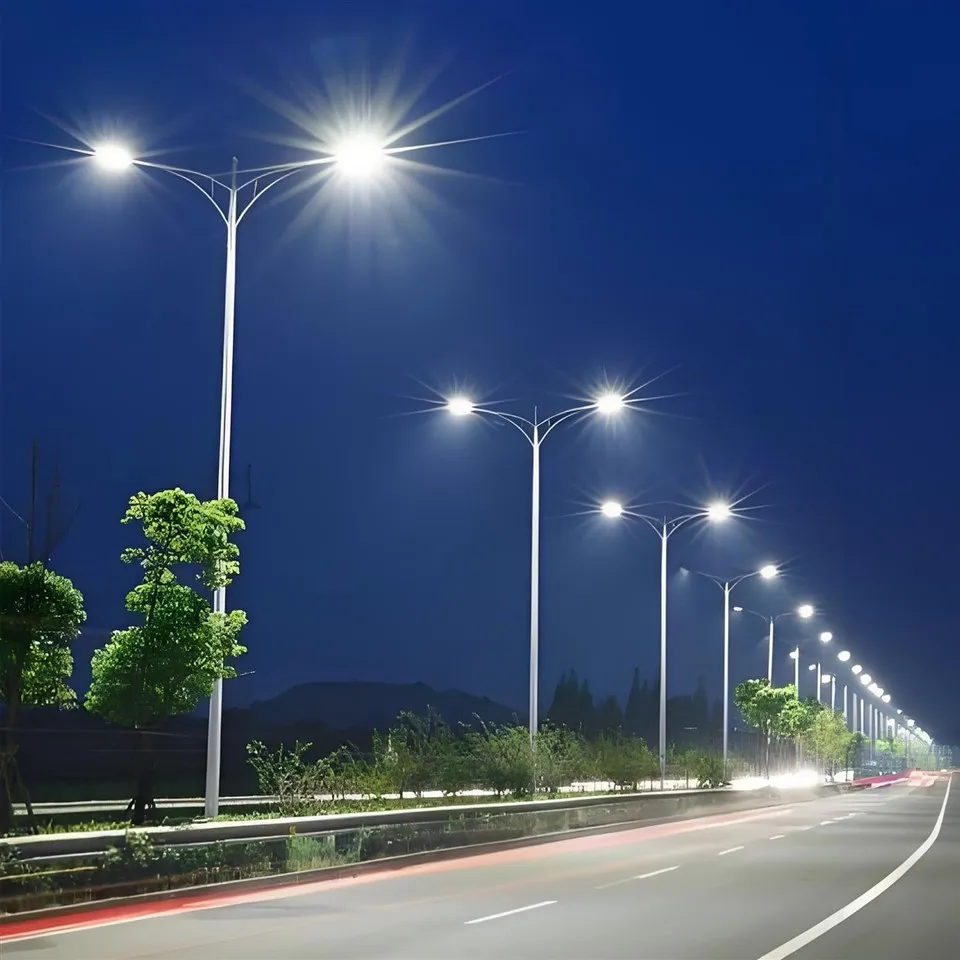
When it comes to our product range, we offer a variety of LED street lights. Check out our Led Road Lamp, which is designed for long - term use and high - performance lighting on roads. The Led Luminaire Street Light is another great option, offering excellent light distribution and energy efficiency. And if you're looking for something more specialized, our Flameproof Led Street Light is suitable for areas where there's a risk of explosion or fire.
Some people might argue that the production of LED street lights has an environmental impact. It's true that the manufacturing process of any product has some environmental footprint. However, when you consider the long - term benefits of energy savings, reduced waste, and lower greenhouse gas emissions, the overall environmental impact of LED street lights is much lower compared to traditional street lights. The initial energy and resources used in manufacturing are quickly offset by the savings over the lifespan of the product.
In addition to the environmental benefits, LED street lights also offer economic advantages. The energy savings mean lower electricity bills for municipalities and other organizations that are responsible for street lighting. The reduced maintenance costs due to the long lifespan of LED lights also add up over time. These cost savings can be used for other important community projects, like building parks or improving public transportation.
So, are LED street lights environmentally friendly? The answer is a resounding yes! They offer energy efficiency, longer lifespan, better light quality, and less environmental impact compared to traditional street lights. If you're in the market for street lights, whether you're a city planner, a property manager, or just someone interested in sustainable lighting solutions, I highly recommend considering LED street lights.
If you're interested in learning more about our LED street lights or want to start a procurement discussion, feel free to reach out. We're always happy to help you find the best lighting solution for your needs.
References
- "LED Lighting for Street and Area Lighting Applications" by the U.S. Department of Energy
- "The Environmental Impact of Lighting Technologies" from the International Dark - Sky Association
- "Comparative Analysis of Traditional and LED Street Lighting Systems" in a research journal on sustainable energy
