


Are steel light poles rust - prone?
As a supplier of steel light poles, I often encounter questions from customers about the rust - resistance of our products. This is a crucial concern as rust can not only affect the aesthetic appeal of the light poles but also compromise their structural integrity over time. In this blog, I will delve into the factors that determine whether steel light poles are rust - prone and discuss the measures we take to prevent rust.
Understanding Rust and Steel
Rust is the common name for iron oxide, which forms when iron or steel reacts with oxygen and water. Steel is an alloy primarily composed of iron, along with carbon and other elements. When steel is exposed to moisture and oxygen, a chemical reaction occurs, leading to the formation of rust. The general chemical equation for the rusting of iron is (4Fe + 3O_{2}+6H_{2}O = 4Fe(OH){3}), which then decomposes to form (Fe{2}O_{3}\cdot nH_{2}O) (rust).
The rate at which steel rusts depends on several factors. The first is the quality of the steel itself. Higher - grade steels with lower impurity levels are generally more resistant to rust. For example, steel with a proper balance of alloying elements such as chromium, nickel, and copper can enhance its corrosion resistance.
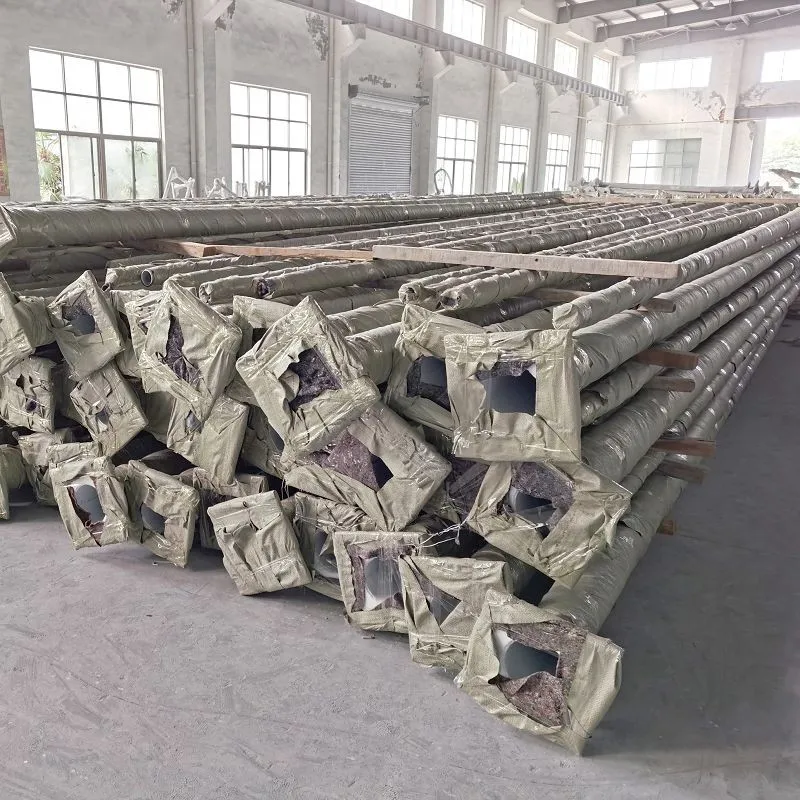

Types of Steel Used in Light Poles
There are different types of steel used in the manufacturing of light poles, and each has its own rust - resistance characteristics.
Carbon Steel
Carbon steel is one of the most commonly used materials for light poles due to its relatively low cost and good strength. However, carbon steel is highly susceptible to rust. It contains mainly iron and carbon, and without proper protection, it will start to rust when exposed to the elements. The presence of carbon can also accelerate the rusting process in some cases.
Stainless Steel
Stainless steel is a better option when it comes to rust - resistance. Stainless steel contains at least 10.5% chromium, which forms a thin, invisible layer of chromium oxide on the surface of the steel. This layer acts as a barrier, preventing oxygen and water from reaching the underlying steel and thus inhibiting rust formation. Our Stainless Steel Light Pole is made from high - quality stainless steel, ensuring long - term durability and minimal maintenance.
Environmental Factors Affecting Rust
The environment in which the light poles are installed plays a significant role in determining their rust - susceptibility.
Humidity
High humidity levels provide more water molecules for the rusting reaction. In coastal areas or regions with high rainfall, the moisture in the air can accelerate the rusting process. The salt in the air near the coast can also act as an electrolyte, further speeding up the corrosion of steel light poles.
Pollution
Polluted environments, such as those near industrial areas, can contain chemicals like sulfur dioxide and nitrogen oxides. These pollutants can react with water in the air to form acidic compounds, which are highly corrosive to steel. Acid rain, for example, can cause severe damage to unprotected steel light poles.
Temperature
Temperature can also affect the rusting rate. Higher temperatures generally increase the rate of chemical reactions, including the rusting of steel. However, in extremely cold temperatures, the presence of ice and snow can also cause physical damage to the protective coatings on the light poles, exposing the steel to rust.
Preventive Measures for Rust
As a responsible steel light pole supplier, we take several measures to prevent rust and ensure the longevity of our products.
Galvanization
Galvanization is a widely used method for protecting steel from rust. It involves coating the steel with a layer of zinc. Zinc is more reactive than iron, so when the galvanized steel is exposed to the elements, the zinc corrodes first, sacrificing itself to protect the underlying steel. This process is known as sacrificial protection. Our Steel Light Pole often undergoes hot - dip galvanization, which provides a thick and durable zinc coating.
Painting
Applying a high - quality paint coating is another effective way to prevent rust. The paint acts as a physical barrier, preventing oxygen and water from coming into contact with the steel. We use special paints that are designed to withstand harsh environmental conditions, such as UV rays, moisture, and chemicals.
Regular Maintenance
Even with preventive measures in place, regular maintenance is still necessary. Inspecting the light poles periodically for signs of rust or damage allows us to take timely action. If any rust spots are detected, they can be treated by removing the rust and applying a new protective coating.
Case Studies
Let's take a look at some real - world examples to illustrate the rust - resistance of our light poles.
In a coastal city, we installed a series of City Street Lamp Post made from galvanized carbon steel. After five years of exposure to the salty air and high humidity, only minor signs of rust were observed on the poles. This shows that our galvanization process is effective in protecting the steel from the harsh coastal environment.
On the other hand, we also have a project in an industrial area. We installed stainless steel light poles, and after several years, there were no visible signs of rust. The stainless steel's inherent corrosion resistance proved to be a great advantage in this polluted environment.
Conclusion
In conclusion, whether steel light poles are rust - prone depends on several factors, including the type of steel used, the environmental conditions, and the preventive measures taken. While carbon steel is more likely to rust, stainless steel offers excellent rust - resistance. By using high - quality materials, applying appropriate protective coatings, and providing regular maintenance, we can minimize the risk of rust and ensure the long - term performance of our light poles.
If you are in the market for reliable and rust - resistant light poles, we are here to help. Our team of experts can provide you with detailed information about our products and assist you in choosing the most suitable light poles for your specific needs. Contact us today to start the procurement process and discuss how our Steel Light Pole can enhance your lighting infrastructure.
References
- ASM International. "Corrosion Basics: An Introduction."
- NACE International. "Fundamentals of Corrosion and Corrosion Control."
- ASTM International standards related to steel and its corrosion resistance.
