


As a supplier of steel light poles, safety regulations are not just a set of rules but the cornerstone of our business. In this blog, I'll delve into the safety regulations for steel light poles, which are crucial for ensuring the well - being of users and the longevity of the products.
1. Structural Safety Regulations
Load - Bearing Capacity
Steel light poles must be designed to withstand various loads. The dead load, which includes the weight of the pole itself, fixtures, and any attached equipment, is the most basic consideration. For instance, if a light pole is equipped with a large - scale LED lighting fixture or additional monitoring devices, the pole needs to be strong enough to support these extra weights without deformation or failure.
In addition to the dead load, live loads such as wind, snow, and ice also need to be factored in. Wind load is a significant concern, especially in areas prone to high - speed winds or storms. Engineers use complex mathematical models to calculate the wind pressure on the pole surface. These models take into account factors like the pole's shape, height, and the local wind climate. A well - designed steel light pole should be able to withstand wind speeds up to a certain limit, usually determined by local building codes. For example, in coastal regions, the wind load requirements are much higher compared to inland areas.
Material Quality
The quality of the steel used in light poles is of utmost importance. High - strength steel is commonly used to ensure the structural integrity of the poles. The steel should meet specific standards regarding its chemical composition and mechanical properties. For example, the carbon content, alloying elements, and tensile strength need to be within a certain range.
We at our company source steel from reputable suppliers and conduct strict quality control checks. These checks include non - destructive testing methods such as ultrasonic testing and magnetic particle inspection to detect any internal flaws or surface cracks in the steel. Only steel that passes these rigorous tests is used in the production of our light poles.
2. Electrical Safety Regulations
Grounding
Proper grounding is essential for steel light poles, especially those with electrical lighting fixtures. Grounding provides a safe path for electrical current in case of a fault, preventing electric shock to people and damage to the equipment. The grounding system should be designed to meet the requirements of local electrical codes.
A typical grounding system for a light pole consists of a grounding electrode, usually a copper or galvanized steel rod, driven into the ground near the pole. The pole is then connected to this electrode using a grounding conductor. The grounding conductor should have sufficient cross - sectional area to carry the fault current safely. Regular inspections are necessary to ensure that the grounding system remains intact and has low resistance.
Insulation
The electrical wiring inside the light pole must be properly insulated. The insulation material should be able to withstand environmental factors such as moisture, heat, and UV radiation. It should also have a high dielectric strength to prevent electrical breakdown.
We use high - quality insulation materials in our light poles and ensure that the wiring is installed in a way that minimizes the risk of damage. For example, the wiring is routed through conduits to protect it from physical damage and environmental elements.
3. Installation and Maintenance Safety Regulations
Installation
The installation of steel light poles should be carried out by trained professionals. They need to follow strict procedures to ensure the safety of the installation process. This includes proper excavation of the foundation, correct alignment of the pole, and secure fastening.
The foundation of the light pole is a critical part of the installation. It should be designed to support the weight and load of the pole and resist overturning. The depth and size of the foundation depend on factors such as the height and diameter of the pole, as well as the local soil conditions. For example, in soft soil areas, a larger and deeper foundation may be required.
Maintenance
Regular maintenance is necessary to keep steel light poles in good condition. This includes visual inspections to check for signs of corrosion, damage, or loose connections. Corrosion is a common problem for steel light poles, especially in areas with high humidity or exposure to saltwater.
We recommend a maintenance schedule that includes annual inspections and appropriate maintenance actions. For example, if corrosion is detected, the affected area should be cleaned, treated, and repainted. Loose bolts and connections should be tightened, and any damaged parts should be replaced promptly.
4. Safety in Different Types of Light Poles
Solar Power Street Light Pole
Solar power street light poles have their own set of safety considerations. In addition to the general structural and electrical safety regulations, the solar panels and battery systems need to be carefully installed and maintained. The solar panels should be securely mounted on the pole to withstand wind and other environmental forces. The battery system, which stores the energy generated by the solar panels, should be properly ventilated to prevent overheating and potential explosion. You can learn more about our Solar Power Street Light Pole on our website.
Hot Dip Galvanized Lamp Post
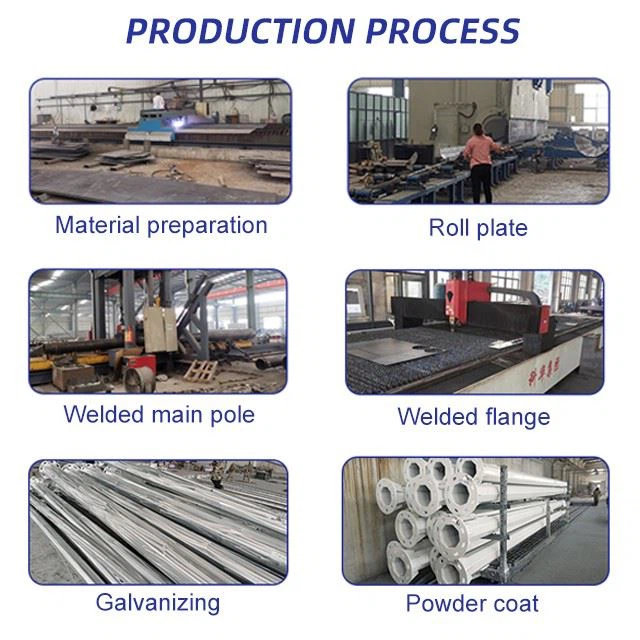
Hot dip galvanized lamp posts are coated with a layer of zinc to protect the steel from corrosion. The galvanizing process should be carried out in accordance with industry standards. The thickness of the zinc coating is an important factor in determining the corrosion resistance of the lamp post.
We use a hot dip galvanizing process that ensures a uniform and thick zinc coating on our lamp posts. This process not only provides long - term corrosion protection but also meets the safety requirements for outdoor use. For more information about our Hot Dip Galvanized Lamp Post, visit our website.
Roadside Light Pole
Roadside light poles need to meet additional safety requirements due to their location near traffic. They should be designed to minimize the risk of damage in case of a vehicle collision. Some roadside light poles are designed to break away or deform in a controlled manner upon impact, reducing the risk of injury to vehicle occupants.
Our Roadside Light Pole products are designed with these safety features in mind. We work closely with traffic engineers and follow the latest standards and guidelines for roadside lighting installations.
5. Compliance with International Standards
In addition to local regulations, our steel light poles also comply with international standards such as ISO and IEC. These standards provide a global framework for the design, production, and testing of light poles. Compliance with these standards ensures that our products are of high quality and can be used in different parts of the world.
We stay updated on the latest changes in these standards and continuously improve our manufacturing processes to meet the evolving requirements. This not only enhances the safety of our products but also gives our customers confidence in our brand.

Conclusion
Safety regulations for steel light poles are a comprehensive set of requirements that cover various aspects of design, production, installation, and maintenance. As a supplier, we are committed to ensuring that our products meet or exceed these safety regulations. We understand that the safety of our customers and the public is of the highest priority.
If you are in the market for high - quality, safe steel light poles, we invite you to contact us for a detailed discussion. Our team of experts can provide you with customized solutions based on your specific needs and local requirements. Whether you need solar power street light poles, hot dip galvanized lamp posts, or roadside light poles, we have the expertise and products to meet your demands.
References
- International Building Code (IBC)
- National Electrical Code (NEC)
- ISO standards for steel products
- IEC standards for electrical equipment
