


As a supplier of LED road lamps, I often encounter inquiries regarding the suitability of our products in areas with low-light pollution requirements. This topic is of utmost importance, not only for environmental protection but also for the well - being of local communities and wildlife. In this blog, I will delve into the factors that determine whether LED road lamps can be used in such areas and highlight the advantages that our products offer.
Understanding Light Pollution
Light pollution refers to the excessive or misdirected artificial light that disrupts the natural darkness of the night sky. It has several negative impacts, including interference with astronomical observations, disruption of ecosystems, and adverse effects on human health. Areas with low - light pollution requirements, such as observatories, wildlife reserves, and some residential neighborhoods, need lighting solutions that minimize these negative impacts.
Characteristics of LED Road Lamps
LED road lamps have several characteristics that make them a potential candidate for areas with low - light pollution requirements.
Directional Lighting
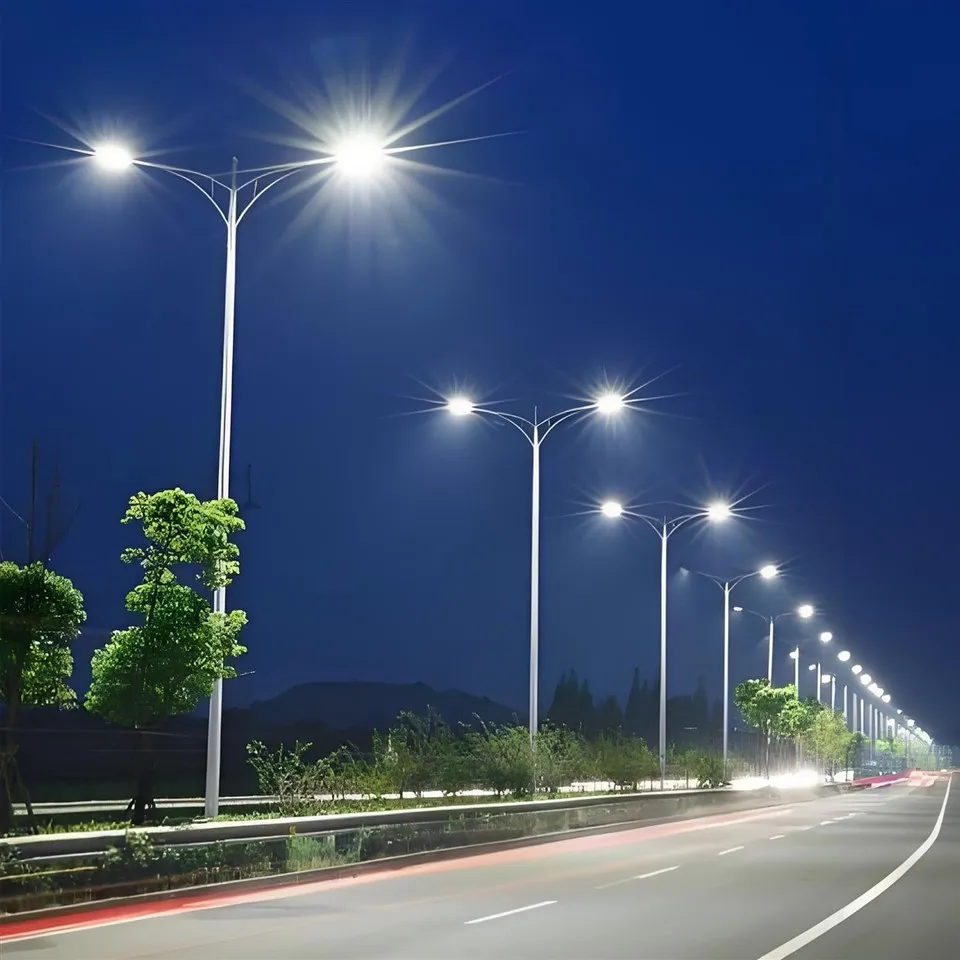
One of the key advantages of LED road lamps is their directional lighting capability. Unlike traditional lighting sources such as high - pressure sodium lamps, which emit light in all directions, LEDs can be designed to direct light precisely where it is needed. This means that less light is wasted by shining into the sky or onto adjacent areas, reducing light pollution. For example, our Led Luminaire Street Light is engineered with advanced optics to focus light on the road surface, minimizing upward light emission.

Color Temperature
The color temperature of a light source also plays a crucial role in light pollution. High - color - temperature lights, such as some white LEDs, can appear very bright and can cause more significant light pollution. However, LED technology allows for a wide range of color temperatures to be selected. For areas with low - light pollution requirements, we recommend using LEDs with a lower color temperature, typically around 2700 - 3000K. These warmer - colored lights are less intrusive and have a lower impact on the night sky. Our 120 Watt Led Street Light is available in different color temperatures, allowing customers to choose the most appropriate option for their specific needs.
Energy Efficiency
LED road lamps are highly energy - efficient compared to traditional lighting sources. They consume less electricity to produce the same amount of light, which means less energy is wasted. This not only reduces the environmental impact but also lowers the overall cost of lighting. In areas with low - light pollution requirements, where minimizing energy consumption is often a priority, LED road lamps are an ideal choice. Our High Quality Led Street Light is designed to provide maximum illumination with minimum energy consumption, making it an environmentally friendly and cost - effective solution.
Case Studies
To illustrate the effectiveness of LED road lamps in areas with low - light pollution requirements, let's look at some real - world examples.
Observatory Areas
In an observatory located in a remote area, traditional high - pressure sodium lamps were replaced with our LED road lamps. The new LED lamps were designed with precise optics to direct light only onto the roads leading to the observatory. As a result, the amount of upward light emission was significantly reduced, improving the quality of astronomical observations. The lower color temperature of the LEDs also made the lighting less intrusive, creating a more natural night - time environment.
Wildlife Reserves
In a wildlife reserve, our LED road lamps were installed along the access roads. The directional lighting feature of the LEDs ensured that the light did not spill into the surrounding habitats, minimizing the disruption to nocturnal animals. The energy - efficient design also reduced the carbon footprint of the lighting system, aligning with the reserve's environmental goals.
Challenges and Solutions
While LED road lamps have many advantages for areas with low - light pollution requirements, there are still some challenges that need to be addressed.
Initial Cost
The initial cost of LED road lamps is often higher than that of traditional lighting sources. However, it is important to consider the long - term benefits. The energy savings and lower maintenance costs of LED lamps can offset the initial investment over time. We offer competitive pricing and financing options to make our High Quality Led Street Light more accessible to customers.
Public Perception
Some people may be accustomed to the traditional yellow - orange light of high - pressure sodium lamps and may have concerns about the color and appearance of LED lights. To address this, we provide samples and demonstrations to allow customers to experience the quality of our LED lighting firsthand. We also offer education and training to help customers understand the benefits of LED technology.
Conclusion
In conclusion, LED road lamps can indeed be used in areas with low - light pollution requirements. Their directional lighting, adjustable color temperature, and energy - efficiency make them a suitable choice for minimizing light pollution while providing adequate illumination for roads. As a supplier of LED road lamps, we are committed to providing high - quality products that meet the specific needs of our customers in these areas.
If you are interested in learning more about our LED road lamps or are considering a lighting project in an area with low - light pollution requirements, we encourage you to contact us for a consultation. Our team of experts will be happy to assist you in selecting the most appropriate lighting solution for your project.
References
- IDA (International Dark - Sky Association). "Light Pollution: What Is It and Why Does It Matter?"
- Rea, Mark S. "The IESNA Lighting Handbook." Illuminating Engineering Society of North America, 2011.
- Navigant Research. "LED Lighting for Outdoor Applications." 2018.
