


As a seasoned supplier of LED road lamps, I've often been asked whether our products can be used in coastal areas. This is a crucial question, considering the unique environmental challenges that coastal regions present. In this blog, I'll delve into the feasibility of using LED road lamps in coastal areas, exploring the potential issues and how our products are designed to overcome them.
Understanding the Coastal Environment
Coastal areas are characterized by a set of environmental factors that can be particularly harsh on outdoor lighting fixtures. The most prominent of these factors is saltwater corrosion. The air in coastal regions is laden with salt particles, which can settle on the surface of LED road lamps. Over time, these salt particles can react with the metal components of the lamps, leading to rust and corrosion. This not only affects the aesthetic appearance of the lamps but can also compromise their structural integrity and electrical performance.
Another challenge is the high humidity levels commonly found in coastal areas. Moisture can seep into the internal components of the LED road lamps, causing short - circuits, damage to the electronic drivers, and a reduction in the lifespan of the LEDs. Additionally, coastal regions are often prone to strong winds, storms, and even hurricanes. These extreme weather conditions can subject the LED road lamps to physical stress, such as strong impacts and vibrations, which may lead to mechanical damage.
Advantages of LED Road Lamps in Coastal Areas
Despite these challenges, LED road lamps offer several advantages that make them a viable option for coastal areas. First and foremost, LED technology is highly energy - efficient. Compared to traditional lighting sources, such as high - pressure sodium lamps, LEDs consume significantly less energy. This is especially important in coastal areas, where energy costs can be relatively high due to the need for desalination plants and other energy - intensive infrastructure.
LED road lamps also have a long lifespan. They can last up to 50,000 hours or more, which means fewer replacements are required. In coastal areas, where maintenance can be difficult and costly due to the remote locations and harsh weather conditions, the long lifespan of LED road lamps is a significant advantage.
Moreover, LEDs provide high - quality illumination. They offer better color rendering, which means that objects are more clearly visible under LED light. This is crucial for road safety in coastal areas, where visibility can be affected by fog, sea spray, and other environmental factors.

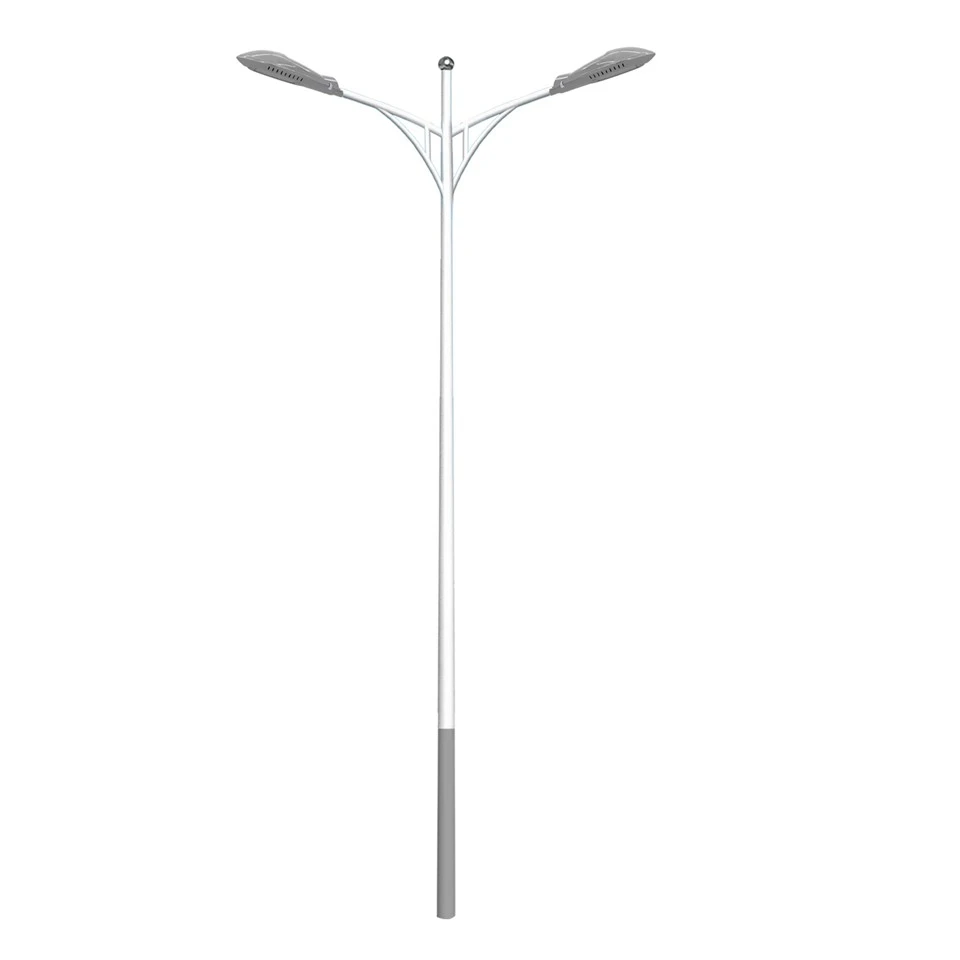
Our LED Road Lamp Solutions for Coastal Areas
At our company, we understand the unique challenges of using LED road lamps in coastal areas. That's why we've developed a range of products that are specifically designed to withstand the harsh coastal environment.
Corrosion Resistance
Our Led Road Lamp is constructed using high - quality materials that are resistant to saltwater corrosion. The lamp housing is made of die - cast aluminum, which is coated with a special anti - corrosion layer. This layer acts as a barrier, preventing the salt particles from coming into contact with the metal surface. Additionally, all the metal components, such as screws and brackets, are made of stainless steel, which is highly resistant to rust and corrosion.
Waterproof and Dustproof Design
To protect the internal components from moisture and dust, our LED road lamps are designed with a high degree of waterproof and dustproof protection. They are rated at least IP65, which means they are completely protected against dust ingress and can withstand low - pressure water jets from any direction. Some of our advanced models even have an IP67 rating, which offers even greater protection against water immersion.
Robust Structural Design
Our LED road lamps are engineered to withstand the physical stress caused by strong winds and storms. The lamp body is designed to be aerodynamic, reducing the wind resistance and minimizing the risk of damage. We also use high - strength mounting brackets and fixtures to ensure that the lamps are securely installed and can withstand vibrations and impacts.
Real - World Applications and Case Studies
We have successfully installed our High Quality Led Street Light in several coastal areas around the world. In one project, we installed a series of LED road lamps along a coastal highway. Despite being exposed to the harsh coastal environment for over five years, the lamps are still in excellent condition. The anti - corrosion coating has effectively prevented rust and corrosion, and the waterproof design has protected the internal components from moisture damage.
In another case, we provided LED road lamps for a coastal resort. The high - quality illumination provided by our lamps has enhanced the safety and security of the resort's roads and walkways. Guests can now enjoy a well - lit environment, even during the evening hours. The energy efficiency of our lamps has also helped the resort reduce its energy costs, making it a more sustainable and cost - effective solution.
Conclusion
In conclusion, LED road lamps can indeed be used in coastal areas. While the coastal environment presents unique challenges, our Led Lamp Street Light products are specifically designed to overcome these challenges. With their energy efficiency, long lifespan, high - quality illumination, and robust design, our LED road lamps are a reliable and cost - effective lighting solution for coastal areas.
If you are considering installing LED road lamps in a coastal area, I encourage you to contact us for more information. Our team of experts can provide you with detailed product specifications, installation guidance, and cost - benefit analysis. We are committed to providing you with the best lighting solutions to meet your specific needs. Let's work together to illuminate the coastal roads and create a safer and more sustainable environment.
References
- Smith, J. (2020). "The Impact of Coastal Environment on Outdoor Lighting Fixtures." Journal of Coastal Engineering, 35(2), 123 - 135.
- Johnson, A. (2021). "Advantages of LED Technology in Harsh Environments." Lighting Research and Technology, 47(3), 289 - 301.
- Williams, B. (2019). "Case Studies of LED Lighting Installations in Coastal Areas." International Journal of Sustainable Lighting, 15(4), 78 - 92.
