


Maintaining light poles in cold climates is a crucial task that requires careful attention and specific strategies. As a light pole supplier, I've seen firsthand the challenges that cold weather can pose to these essential structures. In this blog, I'll share some insights on how to keep light poles in top shape during the frigid months.
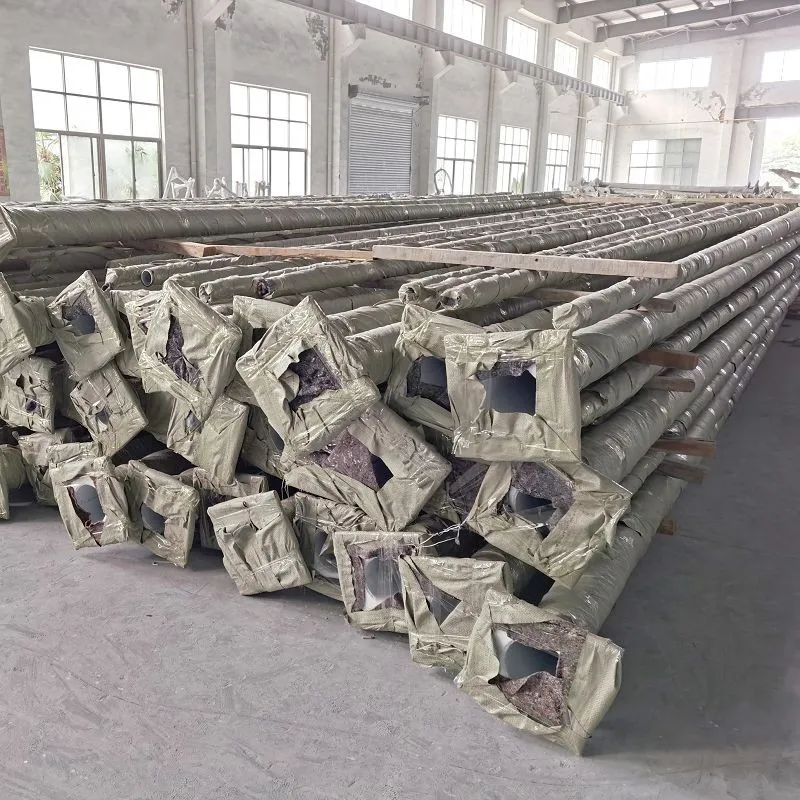
First off, let's talk about the materials. We offer a variety of light poles, like the Galvanized Steel Street Light Pole. Galvanized steel is a great choice for cold climates because it has a protective zinc coating. This coating acts as a shield against corrosion, which can be accelerated by the moisture and salt used on roads in winter. The zinc layer sacrificially corrodes instead of the steel, extending the life of the light pole.
Another option is our Steel Light Pole. Steel is a strong and durable material, but it needs proper maintenance in cold weather. One of the main issues in cold climates is ice and snow accumulation. When ice builds up on the light pole, it adds extra weight. This can put stress on the structure, especially if the pole is not properly designed to handle the additional load. To prevent this, we recommend regular inspections. Check for any signs of ice or snow buildup and remove it carefully. You can use tools like long-handled brushes or scrapers to gently clear the ice without damaging the pole.
The Tapered Octagonal Galvanized Steel Street Light Pole is also a popular choice. Its unique shape can help reduce wind resistance, which is important in cold climates where strong winds are common. However, even with this design, the base of the light pole needs special attention. In cold weather, the ground can freeze and expand, putting pressure on the base of the pole. This can cause the pole to shift or become unstable. To prevent this, make sure the pole is installed with a proper foundation. A deep and well - compacted foundation can help anchor the pole securely and withstand the forces of the freezing ground.

Electrical components are another critical part of light pole maintenance. In cold climates, low temperatures can affect the performance of electrical wiring and fixtures. The insulation on the wires can become brittle, increasing the risk of short circuits. To avoid this, use high - quality, cold - resistant electrical components. Regularly check the wiring for any signs of damage, such as cracks or fraying. If you notice any issues, replace the damaged parts immediately.
Light fixtures themselves can also be affected by cold weather. Condensation can form inside the fixtures when the temperature changes rapidly. This can lead to water damage and reduced light output. To prevent condensation, make sure the fixtures are properly sealed. Some fixtures come with built - in ventilation systems that can help regulate the temperature and humidity inside.
Rust is a major enemy of light poles, especially in cold and wet conditions. Even with a galvanized coating, over time, the coating can wear off in some areas, exposing the steel to rust. Regularly inspect the pole for any signs of rust, such as small red or brown spots. If you find rust, clean the affected area with a wire brush and apply a rust - inhibiting primer and paint. This can help stop the rust from spreading and protect the underlying steel.
Salt used on roads to melt ice can also be a problem. Salt can accelerate corrosion on light poles. When saltwater splashes onto the pole, it can eat away at the protective coating. To minimize the impact of salt, try to install light poles at a safe distance from the road. If that's not possible, wash the poles regularly with clean water to remove the salt residue.
Proper signage on light poles is also important. In winter, snow and ice can cover the signs, making them difficult to see. This can be a safety hazard, especially if the signs are for traffic or emergency information. Regularly clear the signs of snow and ice to ensure they are visible at all times.
Now, let's talk about the importance of a maintenance schedule. Having a regular maintenance schedule is key to keeping light poles in good condition. Set up a monthly or quarterly inspection routine, depending on the severity of the cold climate in your area. During these inspections, check all the components of the light pole, from the base to the top. Keep a detailed record of the inspections, including any issues found and the actions taken to address them.
As a light pole supplier, we understand the challenges of maintaining light poles in cold climates. We're here to help you choose the right light poles for your needs and provide you with advice on how to keep them in top shape. Whether you're a municipality looking to maintain a large number of light poles or a private property owner with just a few, we've got the expertise and products to support you.
If you're interested in purchasing light poles or need more information on maintenance, don't hesitate to reach out. We're happy to have a chat and discuss how we can meet your requirements. Contact us to start a conversation about your light pole needs, and let's work together to keep your areas well - lit and safe, even in the coldest of climates.
References
- Electrical Safety in Cold Climates: A Guide for Utility Workers.
- Maintenance of Outdoor Lighting Fixtures in Harsh Environments.
- Best Practices for Galvanized Steel Structures in Cold Weather.
