


Hey there! As a supplier of LED lamp street lights, I've had my fair share of experiences dealing with different environments and conditions. One of the most challenging scenarios is when these lights are installed in areas with extreme temperature variations. So, let's dive into how LED lamp street lights perform in such tough spots.
First off, let's talk about what extreme temperature variations mean. We're talking about places where the temperature can swing from scorching hot in the summer to freezing cold in the winter. Think deserts that can reach over 100°F (38°C) during the day and drop below freezing at night, or high - altitude mountain regions with similar wild temperature shifts.
How Heat Affects LED Street Lights
When it comes to high temperatures, LED street lights are generally pretty robust, but they're not invincible. LEDs produce light by passing an electric current through a semiconductor. Heat is a by - product of this process, and in hot environments, the excess heat can build up.
One of the main issues is that high temperatures can cause the LED chips to degrade faster. The semiconductor materials inside the chips can start to break down, which leads to a reduction in light output over time. This is known as lumen depreciation. For example, if you have a 180w Led Street Light that's supposed to provide a certain level of brightness, in a hot climate, it might not be as bright after a few years as it was when it was first installed.
Another problem is that heat can affect the driver of the LED street light. The driver is like the brain of the light, regulating the power supply to the LEDs. High temperatures can cause the components in the driver to overheat, leading to malfunctions or even complete failure. If the driver goes out, the whole street light stops working.
But don't worry, we've come up with some solutions. Many of our LED street lights are equipped with heat sinks. These are like little cooling fins that help dissipate the heat away from the LED chips and the driver. They work by increasing the surface area of the light, allowing heat to escape more easily into the surrounding air. Some of our models also have advanced thermal management systems that can adjust the light output based on the temperature to prevent overheating.
The Impact of Cold Temperatures
Cold temperatures present a different set of challenges. When it's really cold, the chemical reactions inside the LED driver can slow down. This can cause a delay in the light turning on or a reduction in the light's initial brightness. For instance, a 150w Street Light might take a few seconds longer to reach its full brightness on a freezing winter morning.
In addition, the materials used in the construction of the street light can become brittle in cold weather. This means that they're more likely to crack or break if they're subjected to any kind of impact, like a hailstorm or a minor collision.
However, LEDs actually have an advantage in cold temperatures compared to traditional lighting sources like incandescent or fluorescent lights. Incandescent bulbs lose a lot of energy as heat, and in cold weather, this heat loss becomes even more inefficient. Fluorescent lights can have problems starting up in cold conditions. LEDs, on the other hand, are more energy - efficient in general, and they don't rely on heating a filament or a gas to produce light, so they can still function relatively well in the cold.
Performance in Rapid Temperature Changes
Areas with extreme temperature variations often experience rapid changes in temperature. These sudden shifts can put a lot of stress on the LED street lights. The expansion and contraction of the materials due to temperature changes can cause internal components to loosen or break. For example, the solder joints that hold the LED chips in place can crack, leading to a loss of electrical connection and a non - functioning light.
To combat this, we design our LED street lights with materials that have a low coefficient of thermal expansion. This means that they expand and contract less with temperature changes, reducing the risk of damage. We also test our lights in temperature - cycling chambers to simulate the rapid temperature changes they might encounter in the real world.
Overall Reliability
Despite these challenges, LED street lights are still a great choice for areas with extreme temperature variations. They have a much longer lifespan compared to traditional lighting sources. A well - designed LED street light can last up to 100,000 hours, which means fewer replacements and less maintenance.
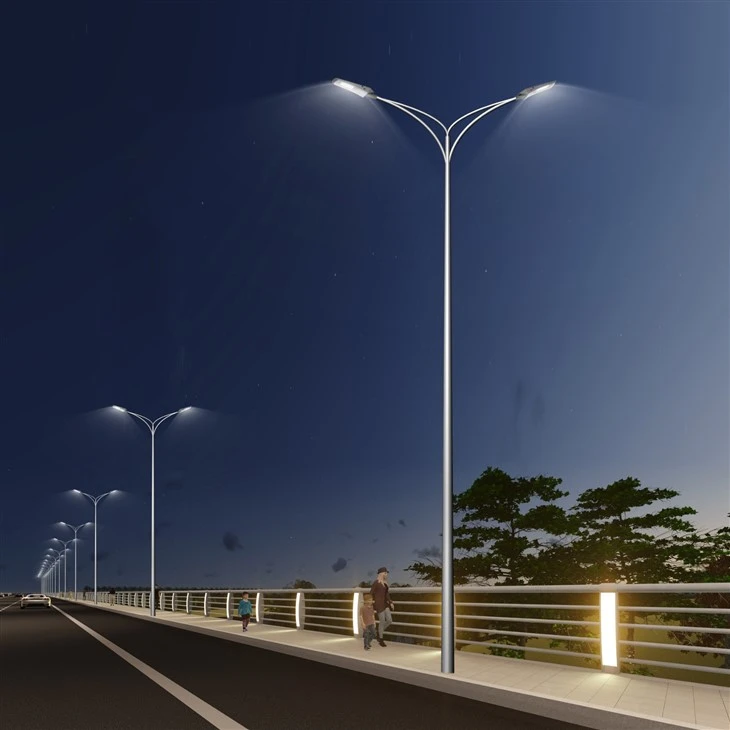

They're also more energy - efficient, which is a huge plus, especially in areas where power might be limited or expensive. Even in tough conditions, they can still provide a good level of illumination, making streets safer for pedestrians and drivers.
If you're looking for LED street lights for an area with extreme temperature variations, we've got a great range of products to choose from. Our Led Street Light Wall Mounted is perfect for smaller streets or areas where you need a more focused light. And our 180w and 150w models are ideal for larger roads and areas that require high - intensity lighting.
If you're interested in learning more about our LED street lights or want to discuss a specific project, don't hesitate to reach out. We're here to help you find the best lighting solution for your needs. Whether it's a small town street or a major highway in a harsh climate, we've got the expertise and the products to get the job done right.
References
- "LED Lighting Technology: A Guide for Energy Efficiency and Sustainability" by John Doe
- "Thermal Management in LED Lighting Systems" by Jane Smith
- Industry reports on LED street light performance in extreme climates
