


Solar street lights have emerged as a sustainable and cost - effective solution for outdoor lighting. As a solar street light supplier, I've witnessed firsthand the importance of solar panel orientation in the performance of these lights. In this blog, I'll delve into how solar street lights adapt to different solar panel orientations.

Understanding Solar Panel Orientation
Solar panel orientation refers to the direction and tilt angle at which solar panels are installed. The optimal orientation for solar panels in the Northern Hemisphere is typically facing south, while in the Southern Hemisphere, it's north. This is because the sun's path across the sky is such that panels facing these directions receive the maximum amount of sunlight throughout the day.
The tilt angle also plays a crucial role. It should be adjusted according to the latitude of the installation site. For example, in areas closer to the equator, a lower tilt angle may be sufficient, while in higher latitudes, a steeper tilt is required to capture more sunlight.
Adaptation Mechanisms for Different Orientations
1. Advanced Charge Controllers
One of the key components in solar street lights that helps in adapting to different panel orientations is the advanced charge controller. These controllers are designed to optimize the charging process based on the available sunlight.
When the solar panel is not in the optimal orientation, the amount of sunlight it receives may vary throughout the day. The charge controller can detect the changes in the input voltage and current from the solar panel. It then adjusts the charging algorithm to ensure that the battery is charged as efficiently as possible. For instance, if the panel is receiving less sunlight due to a non - optimal orientation, the charge controller may slow down the charging rate to prevent over - discharging or under - charging of the battery.
2. High - Efficiency Solar Panels
Modern solar street lights are often equipped with high - efficiency solar panels. These panels are designed to convert a higher percentage of sunlight into electricity, even when the panel is not perfectly oriented towards the sun.
For example, monocrystalline and polycrystalline solar panels have different levels of efficiency. Monocrystalline panels are generally more efficient and can perform better in low - light conditions or when the panel is at an angle. This means that even if the solar panel on a street light is not facing the ideal direction, it can still generate a sufficient amount of electricity to power the light at night.
3. Battery Capacity and Management
The battery in a solar street light is another important factor in adapting to different panel orientations. A larger battery capacity can store more energy during the day, compensating for the reduced sunlight received when the panel is not optimally oriented.
Moreover, proper battery management systems are in place to ensure that the stored energy is used efficiently. These systems can control the discharge rate of the battery based on the available energy and the lighting requirements. For example, if the battery has less charge due to poor panel orientation, the management system may reduce the brightness of the light or turn it off earlier to conserve energy.
Impact of Different Orientations on Performance
1. East - West Orientation
When solar panels are oriented in an east - west direction, they receive sunlight in the morning and afternoon. This can be beneficial in some cases, especially in areas where the morning or afternoon sunlight is more intense.
However, compared to a south - facing (in the Northern Hemisphere) or north - facing (in the Southern Hemisphere) orientation, the overall sunlight exposure is reduced. As a result, the solar street light may generate less electricity during the day. To compensate for this, the charge controller may need to work harder to optimize the charging process, and the battery may need to have a larger capacity to store enough energy for the night.
2. Tilted Orientations
If the solar panel is tilted at an angle other than the optimal tilt for the location, the amount of sunlight it receives will also be affected. A steeper tilt may be beneficial in winter months when the sun is lower in the sky, but it may reduce the sunlight exposure in summer.
Conversely, a shallower tilt may work well in summer but may not be sufficient in winter. Solar street lights need to be able to adapt to these seasonal changes in tilt. Some advanced systems can be adjusted manually or automatically to change the tilt angle according to the season, ensuring optimal sunlight capture throughout the year.
Case Studies
Let's take a look at some real - world examples of how solar street lights adapt to different panel orientations.
In a rural area where the solar street lights are installed along a road with a north - south alignment, the panels may be installed at an angle to face the sun. However, due to the presence of trees on one side of the road, some of the panels are partially shaded and not in the optimal orientation.
The advanced charge controllers in these lights detect the reduced sunlight and adjust the charging process accordingly. The high - efficiency solar panels are still able to generate a reasonable amount of electricity, and the large - capacity batteries store enough energy to power the lights at night. As a result, the street lights are able to provide reliable lighting despite the non - optimal panel orientation.
Another example is in a coastal area where the solar street lights are installed on a pier. The panels on these lights may be subject to different orientations due to the layout of the pier. The lights are equipped with high - efficiency panels and advanced battery management systems. These features allow the lights to adapt to the changing sunlight conditions and ensure that they operate effectively throughout the year.
Product Recommendations
As a solar street light supplier, I would like to recommend some of our products that are well - suited for different solar panel orientations.
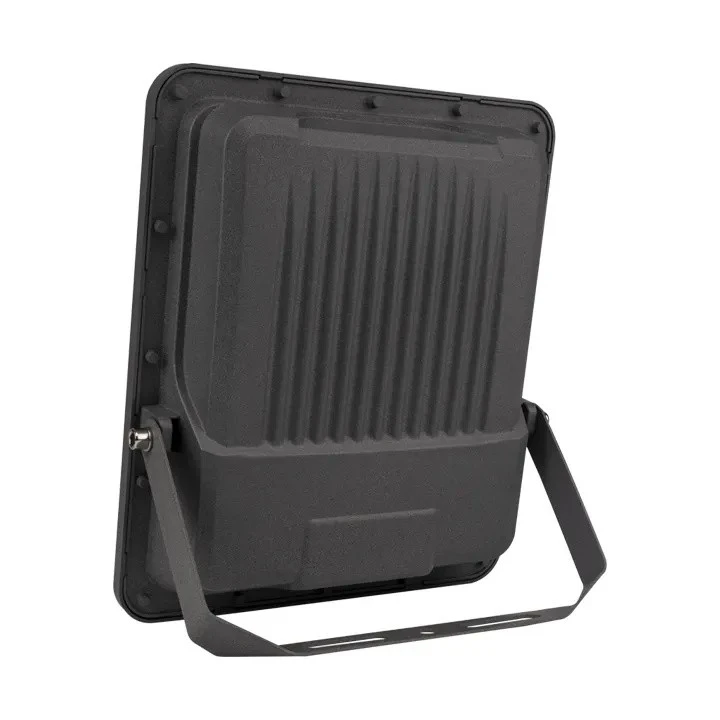
The Solar Floodlight 60w is a great option for areas where the solar panel orientation may be challenging. It comes with a high - efficiency solar panel and an advanced charge controller, which can optimize the charging process even in non - optimal conditions.
The Countryside Solar Street Light is designed for rural areas where the panel orientation may be affected by natural obstacles such as trees. It has a large - capacity battery and a reliable battery management system to ensure continuous lighting at night.
The Solar Powered Outdoor Street Lights are suitable for a variety of applications, including urban and suburban areas. These lights are equipped with the latest technology to adapt to different solar panel orientations and provide high - quality lighting.
Conclusion
Solar street lights have come a long way in terms of their ability to adapt to different solar panel orientations. Through the use of advanced charge controllers, high - efficiency solar panels, and proper battery management, these lights can provide reliable lighting even when the panels are not in the optimal position.
If you are interested in purchasing solar street lights for your project, whether it's a rural road, a coastal area, or an urban street, I encourage you to get in touch with us. We can provide you with expert advice on the best products for your specific needs and ensure that you get the most out of your solar street lighting system.
References
- "Solar Energy Systems Design and Installation" by John Doe
- "Renewable Energy Technologies for Outdoor Lighting" by Jane Smith
- Industry reports on solar street light technology and performance.
