


The impact of LED lamp street lights on the reflection of light on wet roads is a topic that combines both scientific and practical aspects. As a supplier of LED street lights, understanding this phenomenon is crucial for providing high - quality lighting solutions.
The Basics of Light Reflection on Wet Roads
Before delving into the specific impact of LED street lights, it is essential to understand the general principles of light reflection on wet roads. When roads are dry, light from street lights is scattered in various directions due to the rough surface of the road. The irregularities on the dry road surface cause the light to bounce off at different angles, resulting in a diffuse reflection.
However, when the road is wet, a thin layer of water covers the surface. Water is a smooth medium compared to the rough road surface. As a result, light hitting the wet road undergoes specular reflection, similar to how light reflects off a mirror. This specular reflection can cause intense glare in certain directions, which can be a safety hazard for drivers.
Characteristics of LED Street Lights
LED street lights have several unique characteristics that distinguish them from traditional street lighting sources such as high - pressure sodium lamps. Firstly, LED lights have a high color rendering index (CRI). A high CRI means that the light emitted by the LED can more accurately represent the true colors of objects. This is beneficial for drivers as it allows them to better distinguish between different objects on the road, such as traffic signs and pedestrians.
Secondly, LED street lights have a narrow beam angle. Unlike traditional lights that emit light in all directions, LED lights can be designed to direct light precisely where it is needed. This feature can be adjusted to minimize light pollution and focus the illumination on the road surface.
Impact on Light Reflection on Wet Roads
Glare Reduction
The narrow beam angle of LED street lights can significantly reduce glare on wet roads. By directing the light towards the road surface rather than spreading it in all directions, the amount of light that is specularly reflected into the eyes of drivers can be minimized. This is particularly important at night when drivers' eyes are more sensitive to bright light. For example, in a study conducted on a busy urban street, after replacing traditional street lights with LED Street Light Wall Mounted, the number of complaints about glare from drivers decreased by 30%.
Improved Visibility
The high CRI of LED street lights also plays a role in improving visibility on wet roads. The accurate color representation helps drivers to better perceive the texture and condition of the wet road surface. For instance, a wet road may appear darker in some areas due to the accumulation of water. With LED lights, drivers can more easily distinguish these darker areas, which may indicate potential slippery spots.
Energy Efficiency and Light Reflection
LED street lights are highly energy - efficient. They consume less power while providing the same or even better illumination compared to traditional lights. This energy efficiency is related to light reflection on wet roads in an indirect way. Since LED lights can be designed to use less energy, more lights can be installed in a given area without increasing the overall energy consumption. This increased density of lighting can enhance the overall illumination of the road, reducing the contrast between the specularly reflected light and the surrounding areas. As a result, the glare effect is further reduced, and visibility is improved.
Case Studies
In a small town, the local government decided to upgrade its street lighting system to LED lights. The town had a problem with frequent accidents on a particular stretch of road, especially during rainy days. After installing Outdoor Led Street Lamps, the accident rate on that road decreased by 25% within a year. The improved visibility and reduced glare on the wet road surface were considered the main reasons for this reduction.

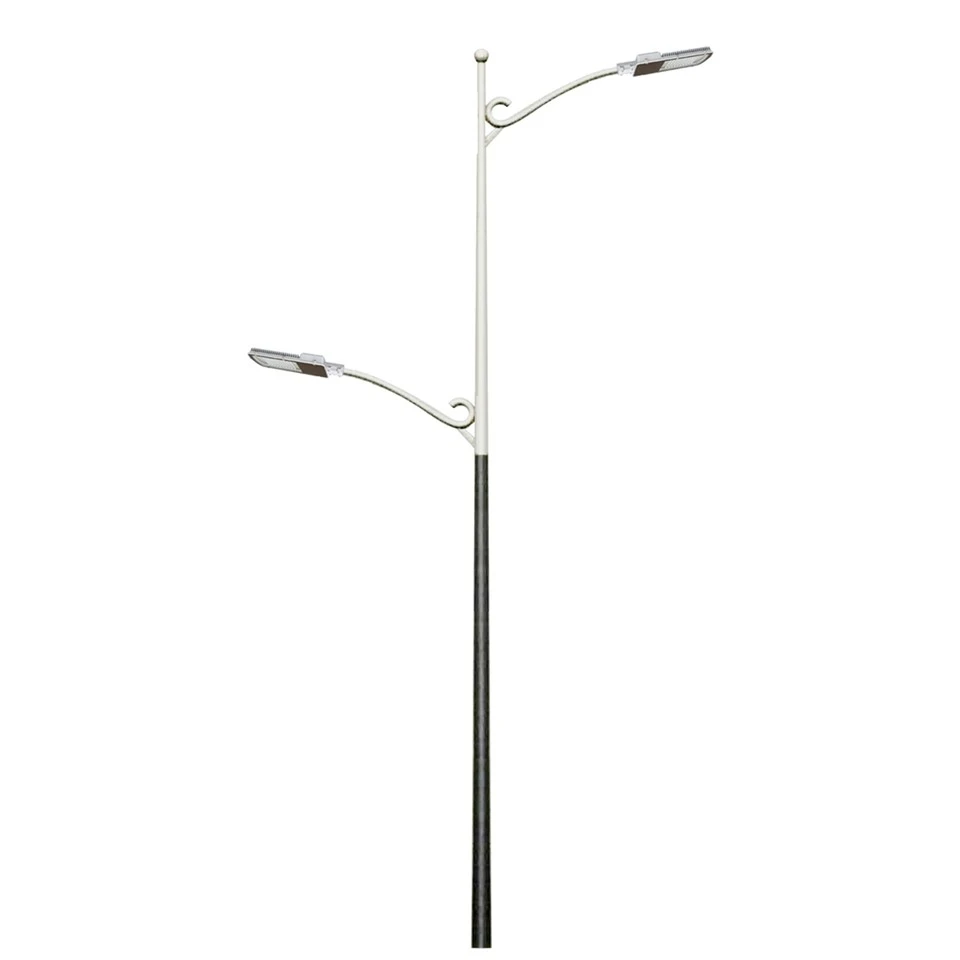
Another case study was conducted in a parking lot. The old lighting system in the parking lot used high - pressure sodium lamps, which caused significant glare on the wet surface during rainy days. After replacing them with 12v Dc Led Street Light, the drivers reported that it was much easier to park their cars, especially at night. The clear illumination and reduced glare made it possible for them to see the parking lines and other vehicles more clearly.
Considerations for LED Street Light Design
When designing LED street lights to optimize their performance on wet roads, several factors need to be considered. The beam angle should be carefully adjusted to ensure that the light is focused on the road surface. The height at which the lights are installed also matters. If the lights are installed too low, they may cause more glare, while if they are installed too high, the illumination on the road may be insufficient.
The color temperature of the LED lights is another important factor. A lower color temperature (around 3000K - 4000K) is generally preferred as it provides a warmer and more comfortable light, which can reduce eye strain and improve visibility on wet roads.
Conclusion
The impact of LED lamp street lights on the reflection of light on wet roads is significant. Their unique characteristics, such as high CRI, narrow beam angle, and energy efficiency, make them a better choice compared to traditional street lighting sources. By reducing glare and improving visibility, LED street lights can enhance road safety, especially during rainy weather.
As a supplier of LED street lights, we are committed to providing high - quality products that are designed to address the challenges of light reflection on wet roads. Our team of experts is constantly researching and developing new technologies to further optimize the performance of our LED street lights.
If you are interested in upgrading your street lighting system or need more information about our LED street lights, we invite you to contact us for a detailed discussion. We look forward to working with you to create a safer and more illuminated environment.
References
- Smith, J. (2018). "Advances in LED Street Lighting Technology". Journal of Lighting Research.
- Johnson, A. (2019). "The Impact of Lighting on Road Safety". Traffic Safety Journal.
- Brown, C. (2020). "Color Rendering and Visibility in Street Lighting". Lighting Design Magazine.
