


The installation time for solar street lights can vary significantly depending on several factors. As a solar street light supplier, I've encountered a wide range of projects with different installation timelines, and I'm here to break down the key elements that influence how long it takes to get these energy - efficient lighting solutions up and running.
1. Site Preparation
One of the most time - consuming aspects of solar street light installation is site preparation. This includes tasks such as surveying the area, marking the locations for the lights, and ensuring that the ground is suitable for mounting.
If the site is a new development, the ground may need to be leveled and any debris removed. In some cases, soil testing might be required to determine the best foundation type. For example, in areas with soft or sandy soil, a deeper and more robust foundation may be necessary to ensure the stability of the street lights. This process can take anywhere from a few days to a couple of weeks, depending on the size of the project and the complexity of the site.

2. Foundation Installation
Once the site is prepared, the next step is to install the foundations for the solar street lights. There are different types of foundations, including concrete bases and ground - screw mounts.
Concrete bases are a common choice for larger and more permanent installations. The process involves digging a hole, placing the reinforcement bars, and then pouring the concrete. After pouring, the concrete needs time to cure, which can take up to 7 days or more, depending on the weather conditions. Ground - screw mounts, on the other hand, are quicker to install. They can be screwed into the ground using specialized equipment, and the installation can be completed in a matter of hours for each light.
3. Assembly of Solar Street Lights
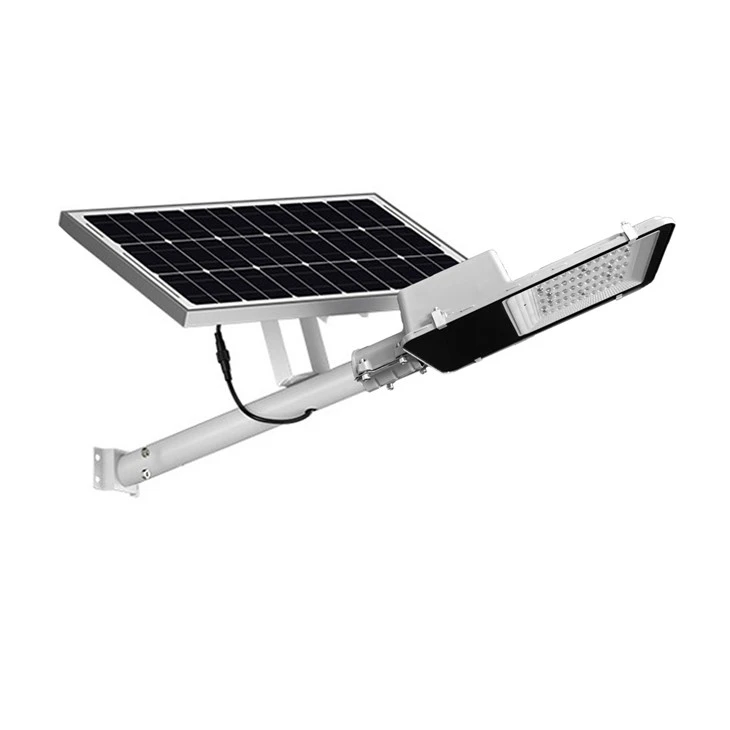
Before the lights can be installed on the poles, they need to be assembled. This includes attaching the solar panels, batteries, LED lights, and other components.
The complexity of the assembly process depends on the type of solar street light. For example, a Solar Battery Street Light may have a more intricate battery - management system, which can add some time to the assembly. On average, the assembly of a single solar street light can take 1 - 2 hours for a skilled technician.
4. Pole Installation
After the foundation is ready and the lights are assembled, the poles are installed. This requires lifting the poles into place and securing them to the foundation.
The time taken for pole installation depends on the height and weight of the poles. Taller and heavier poles may require the use of cranes or other heavy - lifting equipment, which can slow down the process. For a standard - height solar street light pole, the installation can take around 1 - 2 hours per pole.
5. Electrical Wiring and Connection
Once the poles are in place, the electrical wiring needs to be done. This includes connecting the solar panels to the batteries and the batteries to the LED lights.
Proper wiring is crucial to ensure the efficient operation of the solar street lights. The wiring process can take a few hours per light, depending on the complexity of the system. Additionally, after the wiring is complete, thorough testing is required to ensure that all components are working correctly.
6. System Testing and Commissioning
After all the components are installed and wired, the entire solar street light system needs to be tested. This includes checking the charging and discharging of the batteries, the performance of the LED lights, and the overall functionality of the system.
Testing can take a day or two, depending on the number of lights in the project. During this time, any issues or malfunctions can be identified and resolved. Once the system passes all the tests, it can be commissioned and put into operation.
Examples of Installation Times for Different Projects
- Small Residential Project: A small residential project with 5 - 10 solar street lights may take around 1 - 2 weeks to complete. This includes site preparation, foundation installation, assembly, pole installation, wiring, and testing. The relatively small number of lights and the simplicity of the site usually result in a shorter installation time.
- Medium - Sized Commercial Project: A medium - sized commercial project with 20 - 50 solar street lights can take 2 - 4 weeks. These projects often require more complex site preparation and may involve working around other construction activities. For instance, if the project is part of a new shopping center development, the solar street light installation may need to be coordinated with the overall construction schedule.
- Large - Scale Municipal Project: A large - scale municipal project with over 100 solar street lights can take several months to complete. These projects involve extensive site surveys, multiple foundation types, and strict quality - control measures. For example, 40 Watt Solar Street Light may be used in such projects, and the installation needs to be carefully planned to ensure uniform lighting and reliable operation across a large area.
Factors That Can Affect Installation Time
- Weather Conditions: Adverse weather conditions such as heavy rain, snow, or high winds can significantly delay the installation process. For example, pouring concrete for foundations in wet weather can affect the curing process, and high winds can make pole installation dangerous.
- Availability of Materials and Equipment: If there are delays in the delivery of solar street lights, poles, or other materials, the installation schedule will be affected. Similarly, if the necessary equipment such as cranes or diggers is not available when needed, the installation will be postponed.
- Technical Issues: Unforeseen technical issues, such as compatibility problems between components or faulty equipment, can also cause delays. For example, if a Ip66 Solar Street Light has a manufacturing defect, it may need to be replaced, which can add time to the project.
Conclusion
The installation time for solar street lights is influenced by a variety of factors, from site preparation and foundation installation to assembly, wiring, and testing. As a solar street light supplier, we understand the importance of providing accurate installation timelines to our customers. By carefully assessing the project requirements and considering all the potential factors that can affect the installation, we can ensure a smooth and efficient installation process.
If you are interested in purchasing solar street lights for your project, we would be more than happy to discuss your specific needs and provide you with a detailed installation plan and timeline. Contact us today to start the conversation about how our high - quality solar street lights can illuminate your space while saving energy and reducing costs.
References
- "Solar Street Lighting Handbook" - A comprehensive guide on solar street light technology and installation.
- Industry reports on solar street light installation projects and their timelines.
