


What is the luminous efficacy of Led Road Lamps?
As a supplier of Led Road Lamp, I often encounter inquiries about the luminous efficacy of LED road lamps. Luminous efficacy is a crucial parameter that measures the efficiency of a light source in converting electrical power into visible light. In this blog post, I will delve into the concept of luminous efficacy, its significance for LED road lamps, and how it impacts lighting performance and energy consumption.
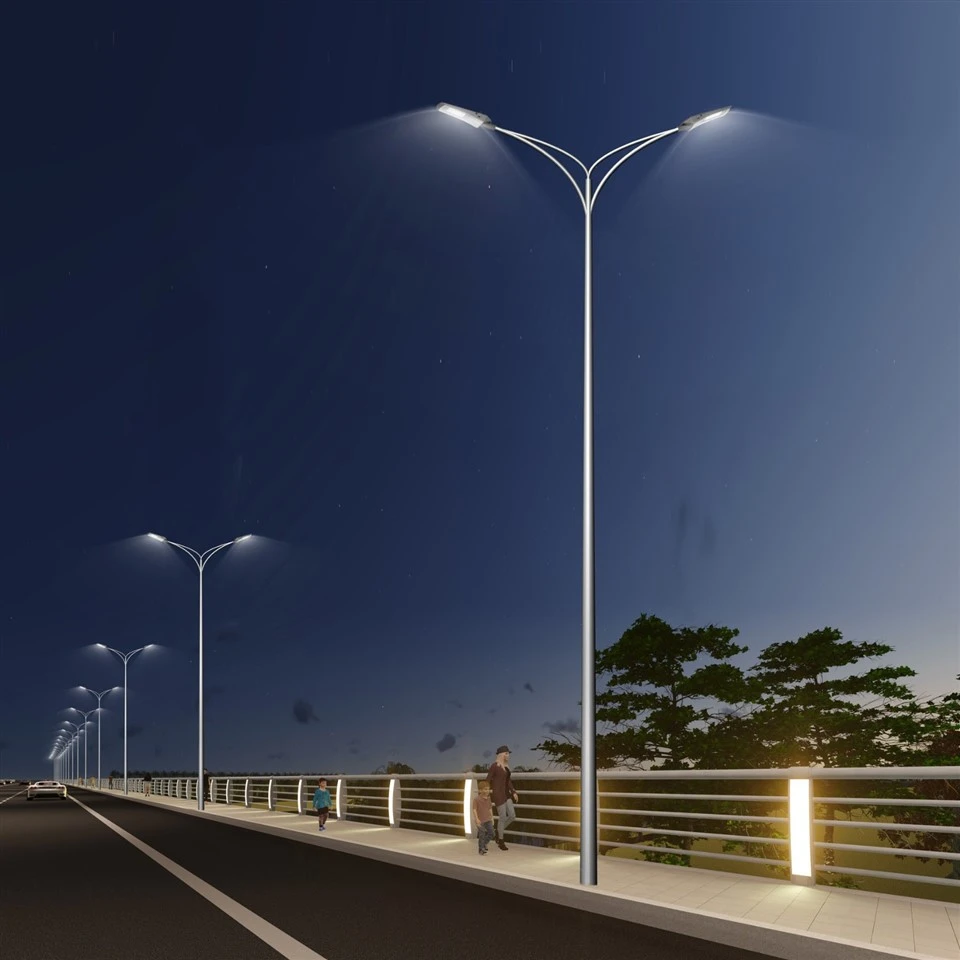

Understanding Luminous Efficacy
Luminous efficacy is defined as the ratio of the luminous flux (measured in lumens) emitted by a light source to the power (measured in watts) consumed by it. It is expressed in lumens per watt (lm/W). A higher luminous efficacy indicates that a light source can produce more light output for the same amount of electrical power, making it more energy - efficient.
For example, if an LED road lamp has a luminous efficacy of 150 lm/W and consumes 100 watts of power, it will produce a luminous flux of 15,000 lumens (150 lm/W × 100 W). In contrast, a traditional high - pressure sodium (HPS) lamp with a lower luminous efficacy, say 100 lm/W, would need to consume 150 watts to produce the same 15,000 lumens of light.
Significance of Luminous Efficacy for LED Road Lamps
- Energy Efficiency: In the context of road lighting, energy efficiency is of utmost importance. LED road lamps with high luminous efficacy can significantly reduce energy consumption compared to traditional lighting sources such as HPS lamps or metal halide lamps. This not only leads to cost savings for municipalities and road owners but also contributes to environmental sustainability by reducing greenhouse gas emissions associated with electricity generation.
- Long - Term Cost Savings: Although LED road lamps may have a higher upfront cost than traditional lamps, their high luminous efficacy results in lower energy bills over the long term. Additionally, LEDs have a longer lifespan, which means fewer replacements and maintenance costs. For large - scale road lighting projects, these cost savings can be substantial.
- Lighting Quality: High luminous efficacy also allows for better lighting quality on roads. With more light output per watt, LED road lamps can provide uniform and adequate illumination, improving visibility for drivers and pedestrians. This enhances safety on the roads, reducing the risk of accidents.
Factors Affecting the Luminous Efficacy of LED Road Lamps
- LED Chip Technology: The quality and design of the LED chips used in the road lamps play a significant role in determining their luminous efficacy. Advanced LED chip technologies, such as those with high - efficiency phosphors and optimized semiconductor structures, can achieve higher luminous efficacy. As a Led Lamp Street Light supplier, we always strive to source the latest and most efficient LED chips for our products.
- Heat Management: LEDs generate heat during operation, and excessive heat can reduce their luminous efficacy. Effective heat management systems, such as heat sinks and thermal management materials, are essential to keep the LEDs at an optimal operating temperature. By maintaining a lower temperature, the LEDs can maintain their high luminous efficacy over time.
- Optics Design: The optics used in LED road lamps can also affect their luminous efficacy. Well - designed optics can direct the light where it is needed, reducing light wastage. For example, using reflectors and lenses that can focus the light on the road surface rather than allowing it to spill into the surrounding areas can improve the overall efficiency of the lighting system.
Comparing Luminous Efficacy of LED Road Lamps with Traditional Lighting Sources
- High - Pressure Sodium (HPS) Lamps: HPS lamps have been widely used for road lighting in the past. They typically have a luminous efficacy ranging from 80 - 140 lm/W. However, their light quality is relatively poor, with a yellowish - orange color that may not be ideal for some applications. In contrast, LED road lamps can achieve luminous efficacy values well above 150 lm/W and offer better color rendering, providing a more natural and comfortable lighting environment.
- Metal Halide Lamps: Metal halide lamps are another type of traditional lighting source used for road lighting. They have a luminous efficacy of around 75 - 100 lm/W. Similar to HPS lamps, they also have some limitations in terms of color quality and energy efficiency compared to LED road lamps.
Measuring and Evaluating Luminous Efficacy
When evaluating the luminous efficacy of LED road lamps, it is important to rely on reliable testing methods and standards. Independent testing laboratories can measure the luminous flux and power consumption of the lamps under controlled conditions to determine their actual luminous efficacy. Additionally, standards such as the IESNA (Illuminating Engineering Society of North America) standards provide guidelines for testing and reporting the performance of lighting products.
As a supplier of High Quality Led Street Light, we ensure that all our products are tested and certified to meet or exceed industry standards for luminous efficacy and other performance parameters. This gives our customers confidence in the quality and efficiency of our LED road lamps.
Conclusion
In conclusion, the luminous efficacy of LED road lamps is a critical factor that determines their energy efficiency, cost - effectiveness, and lighting quality. With advancements in LED technology, modern LED road lamps can achieve high luminous efficacy values, making them a superior choice for road lighting applications compared to traditional lighting sources.
If you are in the market for high - quality LED road lamps with excellent luminous efficacy, we invite you to contact us for more information. Our team of experts can provide you with detailed product specifications, performance data, and pricing options. Whether you are a municipality, a road construction company, or a property owner, we can work with you to find the best LED road lighting solutions for your needs. Let's work together to create safer, more energy - efficient, and sustainable road lighting environments.
References
- Illuminating Engineering Society of North America (IESNA). Lighting Handbook.
- National Electrical Manufacturers Association (NEMA). Standards for LED lighting products.
- International Electrotechnical Commission (IEC). Standards for measuring the performance of lighting sources.
