


What is the power factor of a led luminaire street light?
As a supplier of LED luminaire street lights, I often encounter questions from customers about the power factor of our products. In this blog post, I will explain what the power factor is, why it is important for LED street lights, and how it affects the performance and efficiency of our lighting solutions.
Understanding the Power Factor
The power factor (PF) is a measure of how effectively electrical power is being used in an electrical circuit. It is defined as the ratio of real power (P), which is the power that actually does work, to apparent power (S), which is the product of the voltage and current in the circuit. Mathematically, it can be expressed as:
PF = P / S
A power factor of 1 (or 100%) means that all the electrical power supplied to the circuit is being used effectively to do work. In contrast, a power factor less than 1 indicates that some of the power is being wasted, typically in the form of reactive power. Reactive power is the power that oscillates between the source and the load without doing any useful work.
Importance of Power Factor in LED Street Lights
For LED street lights, a high power factor is crucial for several reasons:
- Energy Efficiency: A high power factor means that more of the electrical power supplied to the LED street light is being used to produce light, rather than being wasted as reactive power. This results in lower energy consumption and reduced electricity bills for the end - user.
- Reduced Stress on the Electrical Grid: Low power factor loads can cause additional stress on the electrical grid. When a large number of LED street lights with low power factors are connected to the grid, it can lead to increased line losses, voltage drops, and reduced overall grid efficiency. By using LED street lights with high power factors, we can help to alleviate these issues and contribute to a more stable and efficient electrical grid.
- Compliance with Regulations: In many regions, there are regulations in place that require electrical equipment, including LED street lights, to meet certain power factor requirements. By ensuring that our LED street lights have a high power factor, we can help our customers to comply with these regulations and avoid potential fines.
How Power Factor Affects LED Street Light Performance
The power factor can have a significant impact on the performance of LED street lights. Here are some of the ways in which it can affect the operation of our products:
- Light Output: A high power factor ensures that the LED street light receives a stable and consistent supply of electrical power. This, in turn, results in a more stable and consistent light output. On the other hand, a low power factor can cause fluctuations in the power supply, which can lead to flickering or dimming of the light.
- Lifetime of the LED: Fluctuations in the power supply due to a low power factor can also have a negative impact on the lifetime of the LED. LEDs are sensitive to changes in voltage and current, and excessive fluctuations can cause premature failure of the LED. By maintaining a high power factor, we can help to extend the lifetime of our LED street lights and reduce the need for frequent replacements.
- Overall System Efficiency: A high power factor improves the overall efficiency of the LED street light system. This means that the system can produce more light using less electrical power, resulting in cost savings for the end - user.
Our LED Street Lights and Power Factor
At our company, we are committed to providing high - quality LED street lights with a high power factor. Our High Power Led Street Light are designed to have a power factor of 0.9 or higher, which ensures maximum energy efficiency and performance.
Our Double Arm Street Light also feature a high power factor, making them an ideal choice for large - scale street lighting projects. These lights are not only energy - efficient but also provide a wide and uniform illumination, ensuring safety and visibility on the streets.
For commercial applications, our Commercial Street Lights 150w are designed to meet the high - power requirements of commercial areas. With a high power factor, these lights can operate efficiently and provide bright and reliable lighting for commercial streets and parking lots.
Measuring and Improving Power Factor
To measure the power factor of an LED street light, a power factor meter can be used. This device measures the real power, apparent power, and power factor of the electrical circuit.

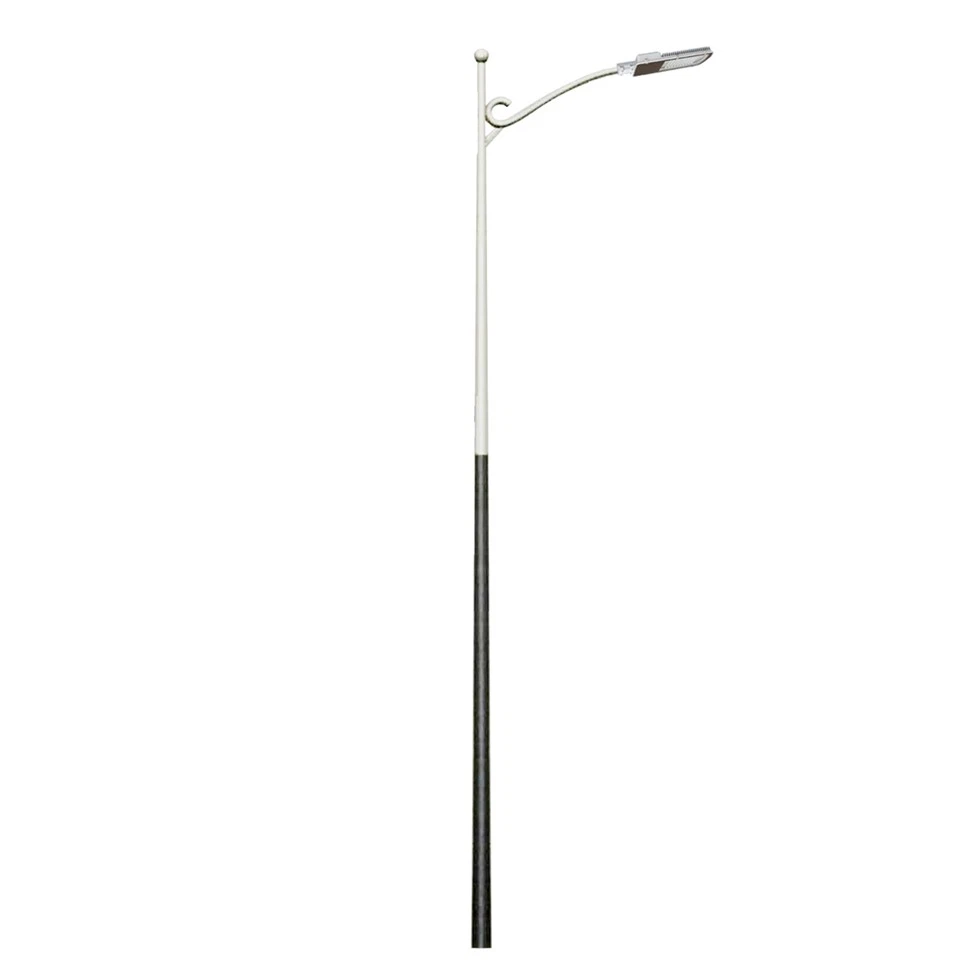
There are several ways to improve the power factor of an LED street light. One common method is to use a power factor correction (PFC) circuit. A PFC circuit is designed to adjust the current waveform to match the voltage waveform, thereby reducing the reactive power and improving the power factor.
Another way to improve the power factor is to use high - quality components in the LED street light. For example, using high - quality capacitors and inductors can help to reduce the reactive power and improve the overall power factor of the circuit.
Conclusion
In conclusion, the power factor is an important parameter for LED street lights. A high power factor ensures energy efficiency, reduces stress on the electrical grid, and improves the performance and lifetime of the LED street lights. As a supplier of LED luminaire street lights, we are dedicated to providing products with a high power factor to meet the needs of our customers.
If you are interested in purchasing our LED street lights or have any questions about power factor or our products, please feel free to contact us. We look forward to discussing your lighting requirements and providing you with the best possible solutions.
References
- "Power Factor in Electrical Systems" - Electrical Engineering Textbook
- "LED Lighting Technology and Applications" - Lighting Research Institute
