


As a supplier of LED street lights, I've been asked numerous times about the resistance of our products to UV radiation. It's a valid concern, considering that street lights are constantly exposed to sunlight, which contains a significant amount of ultraviolet (UV) rays. In this blog post, I'll delve into the science behind LED street lights' UV resistance, explain why it matters, and highlight how our products are designed to withstand these harsh environmental conditions.
Understanding UV Radiation and Its Effects
UV radiation is a part of the electromagnetic spectrum with wavelengths shorter than visible light. It's divided into three categories: UVA (320 - 400 nm), UVB (280 - 320 nm), and UVC (100 - 280 nm). UVC is mostly absorbed by the Earth's atmosphere, but UVA and UVB reach the surface and can have detrimental effects on various materials.
When materials are exposed to UV radiation over time, they can experience a range of issues. Plastics may become brittle, fade, or crack. Paints can lose their color and adhesion. Metals can corrode more rapidly. For LED street lights, these effects can compromise the structural integrity, reduce the light output, and shorten the lifespan of the product.
How LED Street Lights Are Designed to Resist UV Radiation
Encapsulation Materials
One of the key factors in a LED street light's UV resistance is the encapsulation material used to protect the LED chips. High - quality LED street lights, like the ones we supply, often use silicone - based encapsulants. Silicone has excellent UV resistance properties. It can maintain its transparency and mechanical properties even after long - term exposure to UV radiation. This ensures that the light emitted from the LED chips can pass through the encapsulant without significant loss, and the chips are protected from the harmful effects of UV rays.
Housing Materials
The housing of the LED street light also plays a crucial role in UV resistance. We use materials such as aluminum alloy and polycarbonate in our products. Aluminum alloy is a durable metal that forms a protective oxide layer on its surface, which helps prevent corrosion caused by UV exposure. Polycarbonate, on the other hand, is a strong and transparent plastic with good UV - resistant characteristics. It can be treated with UV stabilizers during the manufacturing process to further enhance its resistance to UV radiation.
Coating Technologies
In addition to using UV - resistant materials, we also apply special coatings to our LED street lights. These coatings act as an extra layer of protection against UV rays. For example, some of our street lights have a clear, hard - coated finish that not only protects against UV but also provides scratch resistance. This helps maintain the aesthetic appearance of the street lights while ensuring their long - term performance.
Testing and Certification
To ensure the UV resistance of our LED street lights, we conduct rigorous testing in our in - house laboratories. We expose the products to simulated UV radiation for extended periods, mimicking years of real - world exposure. The products are then evaluated for changes in appearance, light output, and electrical performance.
Our LED street lights also meet international standards for UV resistance. For example, they comply with relevant IEC (International Electrotechnical Commission) standards, which set the requirements for the performance and safety of electrical equipment, including resistance to environmental factors such as UV radiation.
Benefits of UV - Resistant LED Street Lights
Longevity
The most obvious benefit of UV - resistant LED street lights is their longer lifespan. By protecting the internal components from the damaging effects of UV radiation, the street lights can operate reliably for many years. This reduces the need for frequent replacements, saving both time and money for our customers.
Consistent Light Output
UV - resistant materials and coatings help maintain the transparency of the encapsulant and the housing, ensuring that the light output remains consistent over time. This is crucial for street lighting applications, where reliable and uniform illumination is required for safety and visibility.
Aesthetic Appeal
UV - resistant street lights retain their original color and finish, even after years of exposure to sunlight. This helps keep the streets looking clean and well - maintained, enhancing the overall aesthetic of the area.

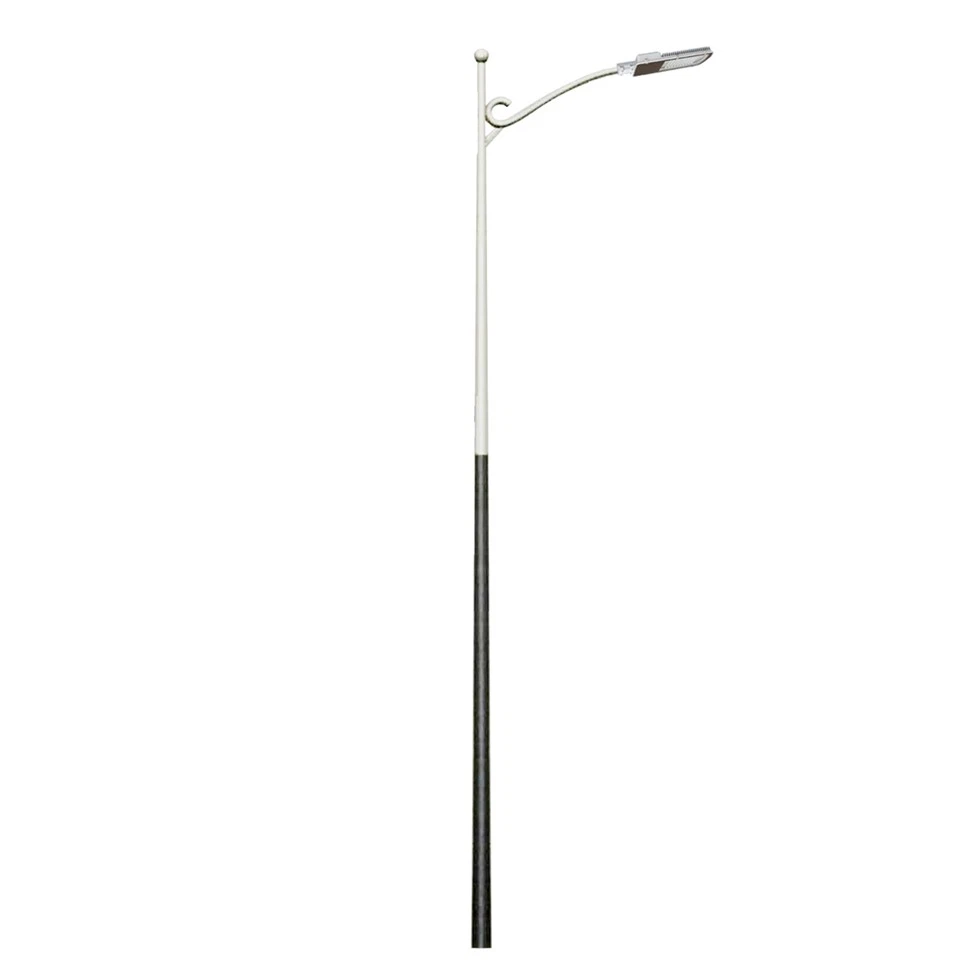
Our Product Range
We offer a wide range of LED street lights, each designed with UV resistance in mind. For example, our 150w Street Light is a high - power option suitable for large roads and highways. It features a robust housing and high - quality encapsulation to ensure long - term performance under harsh UV conditions.
Our Led 100 Watt Street Light is a more energy - efficient choice for smaller streets and residential areas. It also benefits from the same UV - resistant technologies, providing reliable and consistent lighting.
If you're looking for a more decorative option, our Double Arm Street Light combines style with functionality. The UV - resistant materials used in its construction ensure that it looks great and performs well for years to come.
Conclusion
In conclusion, LED street lights can have a high resistance to UV radiation when they are designed and manufactured with the right materials and technologies. Our company is committed to providing high - quality LED street lights that can withstand the challenges of UV exposure. Whether you're a municipality looking to upgrade your street lighting system or a contractor working on a new development project, our UV - resistant LED street lights are a reliable choice.
If you're interested in learning more about our LED street lights or have specific requirements for your project, please get in touch with us. We'd be happy to discuss your needs and provide you with a customized solution.
References
- International Electrotechnical Commission (IEC) standards related to electrical equipment and environmental resistance.
- Scientific research on the effects of UV radiation on materials and LED technology.


