


As a seasoned supplier of city street lamp posts, I've witnessed firsthand the critical role these structures play in urban landscapes. Beyond their primary function of providing illumination, street lamp posts must also withstand various environmental challenges, including the menacing threat of lightning strikes. In this blog, I'll delve into the science behind how city street lamp posts handle lightning strikes, drawing on my years of experience in the industry.
Understanding Lightning Strikes
Lightning is a powerful natural phenomenon that occurs when there is a buildup of electrical charge in the atmosphere. When the electrical potential difference between a cloud and the ground becomes large enough, a lightning bolt is discharged, seeking the path of least resistance to the earth. This can pose a significant risk to street lamp posts, which are often among the tallest structures in an urban environment.
The energy released during a lightning strike is immense, with temperatures reaching up to 30,000 Kelvin and currents of up to 200,000 amperes. Such extreme conditions can cause severe damage to lamp posts, including structural failure, electrical system disruption, and even fire. To mitigate these risks, it's essential to design and install lamp posts that can effectively handle lightning strikes.
Design Features for Lightning Protection
One of the key design features of a lightning-resistant street lamp post is a proper grounding system. A grounding system provides a low-resistance path for the lightning current to flow safely into the ground, preventing it from causing damage to the lamp post or its electrical components. This typically involves installing a grounding rod or electrode deep into the soil and connecting it to the lamp post using a conductor, such as a copper wire.
In addition to a grounding system, lamp posts can also be equipped with lightning arresters. A lightning arrester is a device that diverts the lightning current away from the lamp post and into the grounding system. It works by detecting the high voltage associated with a lightning strike and providing a path of least resistance for the current to follow. Lightning arresters are typically installed at the top of the lamp post or near the electrical equipment to protect it from damage.
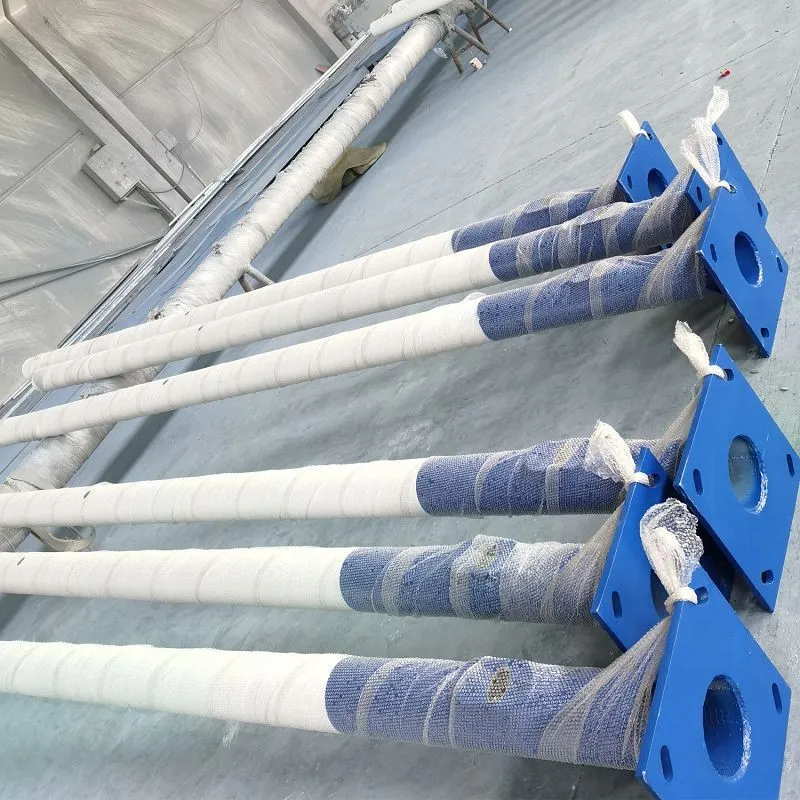
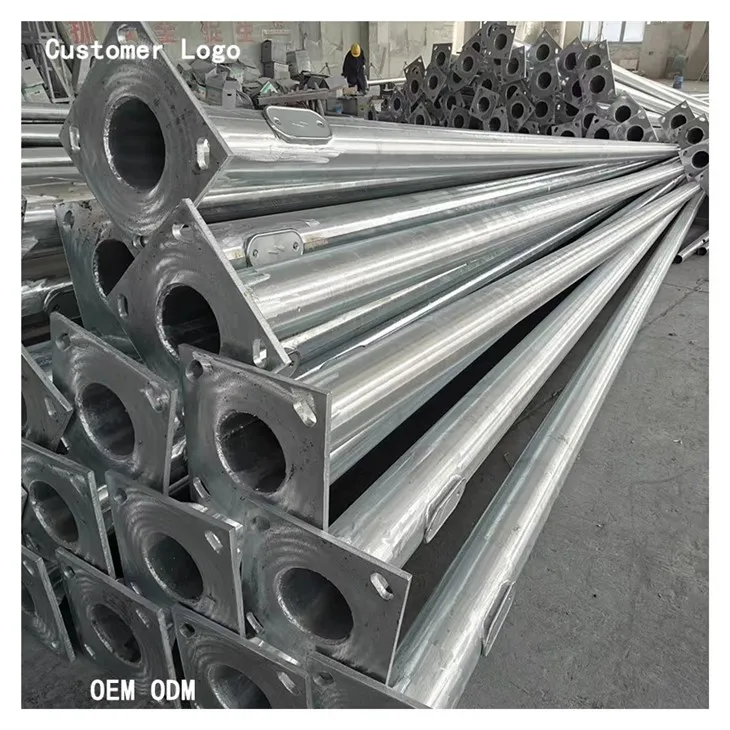
Another important design consideration is the material used for the lamp post. Certain materials, such as Stainless Steel Light Pole, are more conductive than others and can help to dissipate the lightning current more effectively. Stainless steel is also corrosion-resistant, which makes it a durable choice for outdoor applications. Similarly, Hot Dip Galvanized Lamp Post offer excellent protection against rust and corrosion, ensuring the long-term integrity of the lamp post.
Installation and Maintenance
Proper installation and maintenance are crucial for ensuring the effectiveness of a lightning protection system. During installation, it's important to follow the manufacturer's instructions carefully and ensure that the grounding system is installed correctly. The grounding rod should be driven deep enough into the soil to provide a low-resistance path for the lightning current, and the conductor should be securely connected to both the lamp post and the grounding rod.
Regular maintenance is also essential to ensure that the lightning protection system remains in good working condition. This includes inspecting the grounding system for signs of damage or corrosion, testing the lightning arresters periodically, and replacing any worn or damaged components. By performing regular maintenance, you can help to prevent lightning-related failures and ensure the safety and reliability of your street lamp posts.
Case Studies
To illustrate the importance of lightning protection for street lamp posts, let's take a look at a few real-world case studies. In one instance, a city experienced a severe thunderstorm that resulted in multiple lightning strikes. Several street lamp posts in the area were damaged, with some suffering structural failure and others experiencing electrical system disruption. However, a nearby area that had recently installed lamp posts with proper lightning protection systems remained largely unaffected. The lightning arresters and grounding systems on these lamp posts effectively diverted the lightning current away from the structures, preventing damage and ensuring the continued operation of the lighting system.
In another case, a utility company conducted a study to evaluate the effectiveness of different lightning protection measures for street lamp posts. The study found that lamp posts equipped with lightning arresters and proper grounding systems had a significantly lower failure rate compared to those without such protection. This highlights the importance of investing in high-quality lightning protection systems to minimize the risk of damage and downtime.
Conclusion
In conclusion, lightning strikes pose a significant risk to city street lamp posts, but with the right design, installation, and maintenance, these risks can be effectively managed. By incorporating features such as proper grounding systems, lightning arresters, and conductive materials, lamp posts can be made more resistant to lightning strikes and better able to protect their electrical components. As a [City Street Lamp Post] supplier, I'm committed to providing high-quality products that are designed to withstand the rigors of the urban environment, including the threat of lightning.
If you're in the market for street lamp posts that offer reliable lightning protection, I encourage you to [contact us] to discuss your specific needs. Our team of experts can help you select the right products and provide guidance on installation and maintenance to ensure the long-term performance of your lighting system. Don't let lightning strikes disrupt your city's lighting infrastructure – invest in quality street lamp posts that are built to last.
References
- Uman, M. A. (2001). The Lightning Discharge. Academic Press.
- IEEE Standard 142-2007, Recommended Practice for Grounding of Industrial and Commercial Power Systems.
- NFPA 780-2017, Standard for the Installation of Lightning Protection Systems.
