


Hey there! I'm a supplier of steel light poles, and today I wanna chat about how the thickness of steel can really mess with the performance of a light pole.
First off, let's talk about what steel thickness means for the strength of a light pole. You know, when you're out on the street and you see those light poles standing tall, you might not think about how thick the steel is. But trust me, it's a big deal. A thicker steel light pole is generally stronger. It can handle more stress, like when there's a strong wind blowing. You see, wind creates a force on the light pole, and if the pole is too thin, it might bend or even break.
Let's say you've got a Tapered Octagonal Galvanized Steel Street Light Pole. If it has a good thickness of steel, it can stand up to high - speed winds without a problem. On the other hand, a pole with a thin steel body might start to sway a lot in a moderate wind. This isn't just about looking wobbly; it can also lead to long - term damage. The constant bending can cause cracks in the steel over time, which will eventually make the pole unsafe.
Another thing is the weight that a light pole has to support. Light poles aren't just there to hold up a simple light bulb. These days, they often have to support things like cameras, sensors, and even small advertising signs. A thicker steel pole can handle this extra weight much better. For example, a Single Arm Light Pole with a thicker steel structure can easily support a heavy - duty security camera without any issues. But if the pole is thin, the extra weight can put too much pressure on it. This might cause the pole to lean or even collapse in extreme cases.
Now, let's talk about corrosion resistance. You might be wondering what steel thickness has to do with corrosion. Well, it turns out, it's quite a bit. A thicker layer of steel gives more material for corrosion to eat away at. When steel is exposed to the elements, like rain, snow, and salt (especially in coastal areas), it starts to rust. Rust is basically the corrosion of steel, and it weakens the structure.

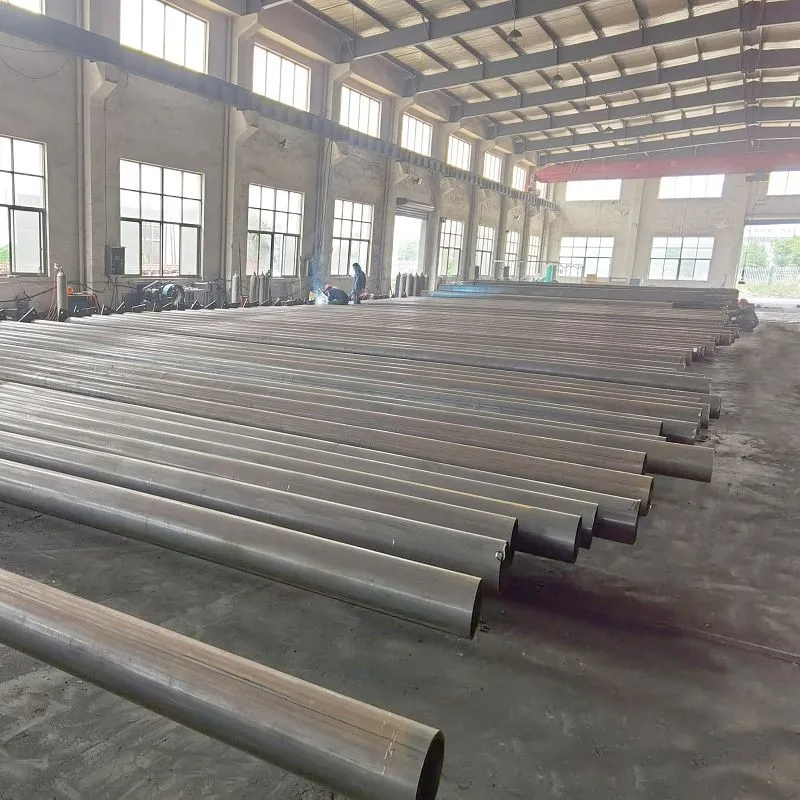
A thick - walled light pole will take much longer to corrode compared to a thin one. For instance, a light pole near the ocean, where the air is salty and humid, will start to show signs of rust on a thin - walled pole much faster. The rust can spread quickly and penetrate through the thin steel, compromising the integrity of the pole. But a thick - walled pole can resist this corrosion for a longer time. This means less maintenance and a longer lifespan for the light pole.
When it comes to installation, the thickness of the steel also plays a role. A thicker steel pole is generally heavier, which can make it a bit more challenging to install. You need more equipment and manpower to lift and place it in the right position. However, this also means that once it's installed, it's more stable. It won't shift or move easily, which is great for long - term performance.
On the flip side, a thin - walled pole is lighter and easier to install. But it might not be as stable once it's in the ground. It could be more prone to movement due to vibrations from traffic or natural elements. This movement can cause the base of the pole to loosen over time, which can again lead to safety issues.
Let's also consider the cost - effectiveness. At first glance, a thin - walled light pole might seem like a cheaper option. It uses less steel, so the raw material cost is lower. But when you think about the long - term costs, it might not be the best choice. A thick - walled pole might cost more upfront, but it will last longer, require less maintenance, and have fewer safety issues.
For example, if you're a city planner and you're responsible for installing light poles in a new development, you might be tempted to go for the cheaper, thin - walled option to save money. But in the long run, you'll end up spending more on repairs and replacements. A thick - walled Street Light Pole Solar might cost more initially, but it will give you better performance over the years, making it a more cost - effective choice in the long run.
In terms of aesthetics, the thickness of the steel can also make a difference. A thick - walled pole often looks more substantial and professional. It gives an impression of durability and quality. People walking on the street will feel more confident knowing that the light pole they're passing by is strong and reliable.
A thin - walled pole, on the other hand, might look a bit flimsy. It doesn't give the same sense of security. This can be a big deal, especially in areas where public perception matters, like in commercial districts or upscale neighborhoods.
Now, as a steel light pole supplier, I know that choosing the right thickness of steel for a light pole is crucial. There's no one - size - fits - all answer. It depends on a lot of factors, like the location of the pole, the weight it needs to support, and the budget.
If you're in an area with high winds, heavy snowfall, or a lot of traffic vibrations, a thick - walled pole is probably the way to go. But if you're on a tight budget and the conditions are relatively mild, a thin - walled pole might work.
If you're thinking about purchasing light poles for your project, whether it's a small residential area or a large commercial development, I'd love to have a chat with you. We can discuss your specific needs and figure out the best steel thickness for your light poles.
References
- "Steel Structures: Design and Behavior" by S. Timoshenko
- "Corrosion of Metals in Atmospheric Environments" by R. Baboian
- "Engineering Mechanics: Statics and Dynamics" by J. L. Meriam and L. G. Kraige
