


Upgrading existing double arm street lights to a more energy - efficient version is a smart move that not only benefits the environment but also reduces long - term costs. As a supplier of Double Arm Street Lights, I've witnessed firsthand the transformation that energy - efficient upgrades can bring to urban and rural lighting systems. In this blog, I'll share some practical steps and considerations for making this upgrade.
Understanding the Need for Upgrade
Before delving into the upgrade process, it's essential to understand why upgrading to a more energy - efficient version is crucial. Traditional double arm street lights often use high - pressure sodium (HPS) or metal halide lamps. These lamps consume a significant amount of energy and have a relatively short lifespan. They also produce a lot of heat, which is wasted energy.

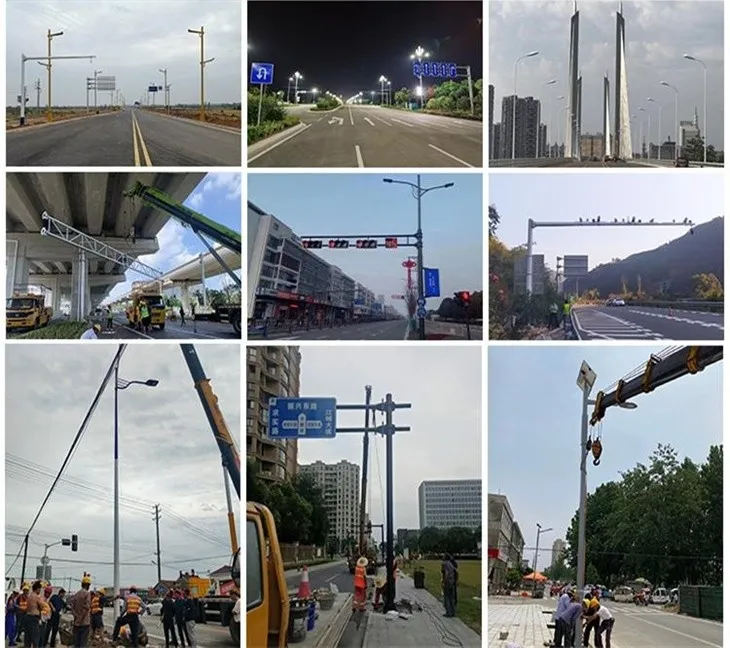
On the other hand, energy - efficient alternatives such as LED (Light - Emitting Diode) street lights offer numerous advantages. LEDs are known for their low energy consumption, long lifespan, and high - quality lighting. They can reduce energy consumption by up to 50 - 70% compared to traditional lamps, which translates into substantial cost savings over time. Additionally, LEDs have a better color rendering index (CRI), providing clearer and more natural lighting, which enhances safety and visibility on the streets.
Assessing the Existing Street Lights
The first step in the upgrade process is to conduct a thorough assessment of the existing double arm street lights. This includes checking the current lamp type, wattage, pole height, and the overall condition of the fixtures. You need to determine the specific requirements of the lighting area, such as the desired illuminance level and the distribution pattern.
For example, if the existing street lights are installed in a residential area, a lower illuminance level might be sufficient. However, for a busy commercial street or a highway, higher illuminance levels are required. By understanding these factors, you can select the most appropriate energy - efficient replacement.
Selecting the Right Energy - Efficient Solution
When it comes to upgrading double arm street lights, LED technology is the clear choice. There are various types of LED street lights available in the market, each with its own features and benefits.
High Quality Led Street Light
For a high - quality lighting solution, you can consider High Quality Led Street Light. These lights are designed to provide superior performance and durability. They are equipped with advanced LED chips that offer high luminous efficacy and long - term reliability. High - quality LED street lights also come with features such as intelligent control systems, which allow for dimming and scheduling, further optimizing energy consumption.
180w Led Street Light
If you need a specific wattage for your upgrade, the 180w Led Street Light is a great option. This wattage is suitable for medium - sized streets and areas that require a moderate level of illumination. The 180W LED street light offers a good balance between energy efficiency and lighting output. It can replace traditional lamps with much higher wattages, resulting in significant energy savings.
Installation and Retrofit
Once you've selected the appropriate energy - efficient LED street lights, the next step is installation or retrofit. If the existing double arm street light fixtures are in good condition, a retrofit might be the most cost - effective option. A retrofit involves replacing the existing lamps and ballasts with LED modules. This can be done relatively quickly and easily, with minimal disruption to the surrounding area.
However, if the fixtures are old or damaged, a complete replacement might be necessary. When installing new double arm street lights, it's important to ensure proper alignment and mounting. The poles should be stable, and the wiring should be installed correctly to prevent any safety hazards. It's also advisable to work with a professional electrical contractor who has experience in street light installation.
Monitoring and Maintenance
After the upgrade is complete, it's crucial to establish a monitoring and maintenance plan. Regular monitoring can help you detect any issues early on, such as lamp failures or reduced performance. You can use smart monitoring systems that provide real - time data on the status of the street lights, including energy consumption, illuminance levels, and fault alerts.
Maintenance tasks include cleaning the fixtures, checking the wiring, and replacing any faulty components. LED street lights generally require less maintenance compared to traditional lamps, but it's still important to keep them in good working condition to ensure optimal performance.
Cost - Benefit Analysis
One of the main concerns when upgrading to energy - efficient street lights is the initial cost. LED street lights are typically more expensive to purchase and install compared to traditional lamps. However, it's important to consider the long - term cost savings.
The energy savings from using LED street lights can offset the initial investment within a few years. Additionally, the longer lifespan of LEDs means fewer replacements and lower maintenance costs over time. A cost - benefit analysis can help you determine the payback period and the overall return on investment for the upgrade.
Conclusion
Upgrading existing double arm street lights to a more energy - efficient version is a win - win situation. It not only helps to reduce energy consumption and lower costs but also improves the quality of lighting on the streets. As a supplier of Double Arm Street Light, I'm committed to providing high - quality energy - efficient solutions to meet the diverse needs of our customers.
If you're interested in upgrading your double arm street lights or have any questions about our products, please feel free to contact us for a detailed consultation. We're here to help you make the most informed decision and achieve a more sustainable and cost - effective lighting solution.
References
- "LED Lighting for Street and Area Applications," U.S. Department of Energy.
- "Energy - Efficient Lighting Solutions for Urban Areas," International Energy Agency.
