


Hey there! I'm a supplier of roadside light poles, and today I want to dive into a question that often comes up: Do roadside light poles need to be grounded?
Let's start by understanding what grounding is all about. Grounding is like giving an electrical system a safety valve. When there's an electrical fault, say a short - circuit in the light pole, grounding provides a path for the excess electricity to flow safely into the ground. This helps prevent electrical shocks, reduces the risk of fires, and protects the electrical equipment itself.

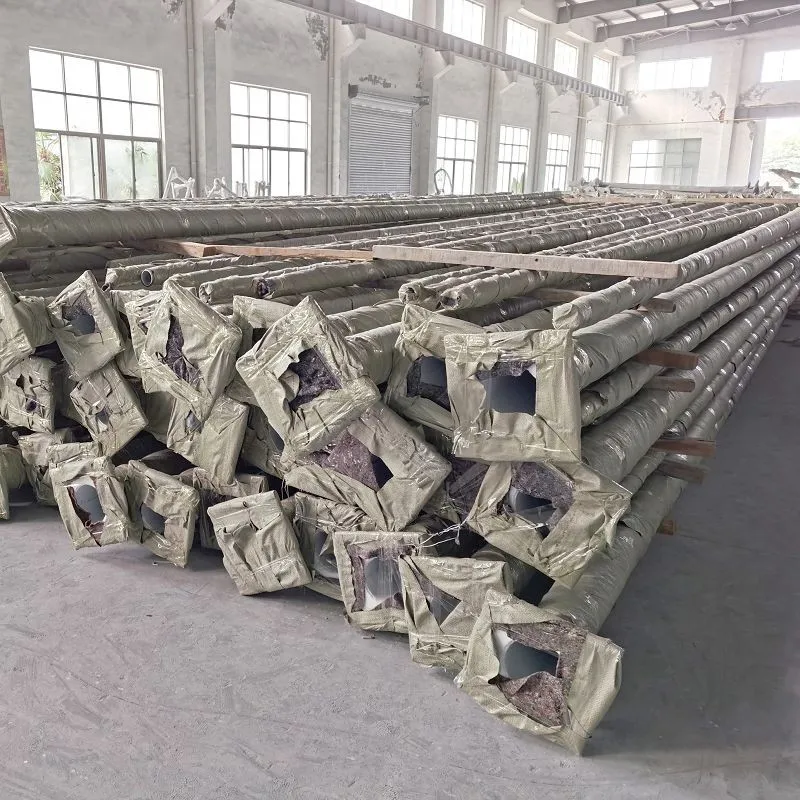
Now, let's think about roadside light poles. These poles are out in the open, exposed to all kinds of weather conditions. Lightning is one of the biggest threats. You know how powerful lightning can be, right? A single strike can carry millions of volts of electricity. If a roadside light pole isn't grounded, a lightning strike could send that huge electrical charge through the pole and into any connected electrical components, like the light fixtures or the wiring. This could fry the equipment, leaving the area in darkness and costing a fortune to repair.
Another reason for grounding is to deal with electrical faults that can happen due to normal wear and tear or accidental damage. For example, over time, the insulation on the wiring inside the light pole might break down. If there's no grounding, the live wire could come into contact with the metal pole, making the pole itself electrified. And that's a huge danger for anyone who touches it, whether it's a maintenance worker or just someone passing by.
Let's talk about the benefits of grounding in more detail. First off, it improves safety. As I mentioned earlier, grounding protects people from electrical shocks. When the excess electricity has a proper path to the ground, the risk of someone getting hurt is significantly reduced. This is especially important in public areas where there are lots of people around, like on busy roads or in residential neighborhoods.
Secondly, grounding helps with equipment protection. Electrical components in light poles, such as ballasts, LEDs, and control systems, are sensitive. A sudden surge of electricity can damage these components beyond repair. By grounding the light pole, we can divert the excess electricity away from these sensitive parts, ensuring that they last longer and work more reliably.
Now, I know you might be wondering about the cost and complexity of grounding. It's true that there are some costs involved in installing a grounding system. You need to purchase the right grounding materials, like grounding rods and conductors, and then there's the labor cost for installation. However, when you consider the long - term savings in terms of reduced equipment damage and lower maintenance costs, it's definitely worth it. And as for complexity, modern grounding systems are designed to be relatively easy to install. With the right instructions and a bit of know - how, a qualified electrician can get the job done quickly.
When it comes to the types of light poles we supply, like Galvanized Steel Street Light Pole, Road Light Pole, and Steel Light Pole, grounding is equally important for all of them. Galvanized steel poles are great because the galvanization process provides an extra layer of protection against corrosion. But even with this protection, grounding is still essential to ensure electrical safety. Road light poles, which are often exposed to heavy traffic and various environmental conditions, need grounding to withstand potential electrical faults. And steel light poles, being made of metal, are excellent conductors of electricity, so grounding is a must to prevent any electrical hazards.
In some areas, there are even regulations and standards that require roadside light poles to be grounded. These regulations are in place to ensure the safety of the public and to maintain a certain level of electrical safety in the community. So, not only is grounding a good idea from a practical point of view, but it might also be a legal requirement in your area.
Let's take a look at how a grounding system for a light pole works. Typically, it consists of a grounding rod that is driven into the ground near the base of the light pole. This rod is connected to the metal pole using a conductor, usually a copper wire. When there's an electrical fault or a lightning strike, the excess electricity travels through the conductor and into the grounding rod, and then safely into the ground.
It's also important to regularly inspect and maintain the grounding system. Over time, the grounding rod might corrode, or the conductor might become loose. A simple inspection every few months can help you catch any potential problems early and ensure that the grounding system is working effectively.
In conclusion, the answer to the question "Do roadside light poles need to be grounded?" is a resounding yes. Grounding is essential for the safety of people, the protection of equipment, and compliance with regulations. As a supplier of roadside light poles, I strongly recommend that you always choose to have your light poles grounded.
If you're in the market for high - quality roadside light poles and want to learn more about grounding or other aspects of our products, I'd love to have a chat with you. Whether you're a contractor working on a large - scale road project or a local municipality looking to upgrade your lighting infrastructure, we can provide you with the best solutions. Just reach out to us to start a conversation about your specific needs.
References
- Electrical Safety Standards Handbook
- Lighting System Maintenance Guide
