


Hey there! As a road light pole supplier, I've been in the business for quite some time, and one question that often pops up is, "What is the compatibility of road light poles with different light fixtures?" Well, let's dive right in and explore this topic.
First off, it's important to understand that not all road light poles are created equal. We've got various types, like the Street Light Pole Single Arm, Octagonal Street Light Pole, and Tapered Steel Pole. Each type has its own unique features and characteristics that can affect its compatibility with different light fixtures.

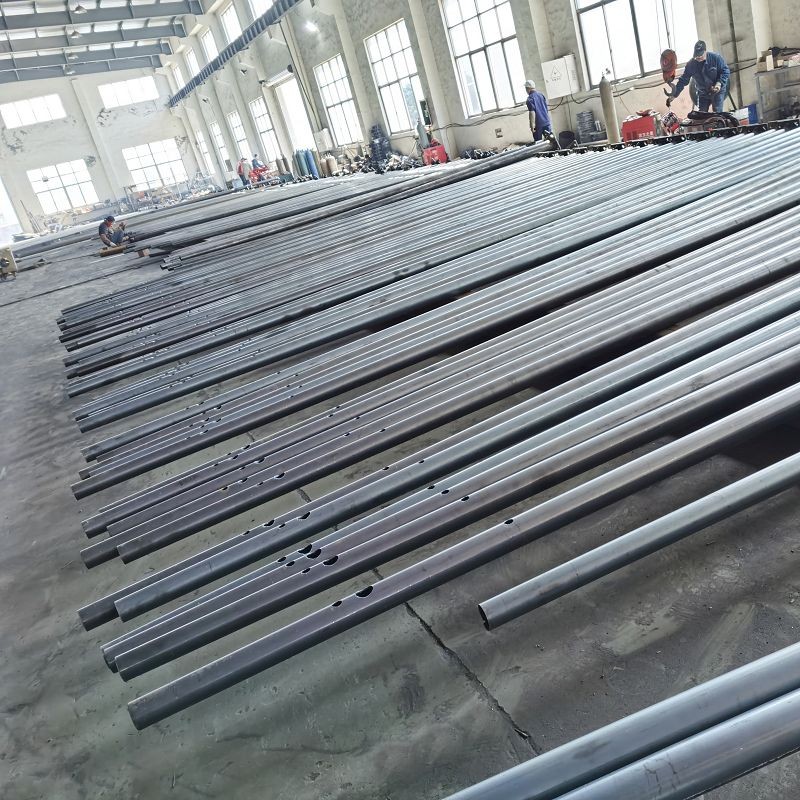
Let's start with the single - arm street light pole. This is a very common type of pole. It's simple, cost - effective, and widely used in both urban and rural areas. When it comes to light fixture compatibility, single - arm poles are pretty versatile. They can support a range of light fixtures, from traditional high - pressure sodium lamps to modern LED fixtures.
LED fixtures are becoming increasingly popular these days, and for good reason. They're energy - efficient, have a long lifespan, and provide better illumination. The single - arm pole can easily handle the weight and size of most LED fixtures. However, you need to make sure that the mounting mechanism of the fixture is compatible with the pole. Most single - arm poles come with a standard mounting bracket, and many LED fixtures are designed to fit these brackets. But if you have a custom - made fixture, you might need to make some adjustments or use an adapter.
The octagonal street light pole is another option. It has a more distinctive look compared to the single - arm pole. Octagonal poles are often used in areas where aesthetics matter, like city centers or historical districts. In terms of light fixture compatibility, they're also quite flexible. The octagonal shape provides a stable base for mounting different types of lights.
Just like with the single - arm pole, LED fixtures work great on octagonal poles. But since these poles are sometimes used in more upscale areas, you might want to choose high - end, decorative LED fixtures to match the pole's appearance. Again, check the mounting requirements. Some high - end fixtures may have a unique mounting system, so you'll need to ensure that it can be properly attached to the pole.
Now, let's talk about tapered steel poles. These poles are known for their strength and durability. They're often used in areas with high wind loads or where there's a risk of vehicle impact, like highways or industrial areas. Tapered steel poles can support heavy - duty light fixtures.
For example, large - scale floodlights or high - powered LED arrays are commonly used on tapered steel poles. The tapered design helps distribute the weight of the fixture evenly along the pole, reducing stress on the mounting point. When installing these heavy fixtures, it's crucial to follow the manufacturer's guidelines for proper installation and torque values. This ensures that the fixture is securely attached and won't come loose over time.
Another factor to consider when looking at compatibility is the electrical connection. All light fixtures need to be connected to a power source, and the pole has to be able to accommodate this. Most road light poles are pre - wired or have a conduit system for running electrical wires.
When you're choosing a light fixture, make sure that the electrical requirements match the capabilities of the pole. For instance, if the pole is designed for a certain voltage and the fixture requires a different voltage, you'll need to install a transformer or make other electrical adjustments. Also, check the wiring capacity of the pole. If you're planning to install multiple fixtures on a single pole, the wiring should be able to handle the combined electrical load.
The height of the pole also plays a role in light fixture compatibility. Different light fixtures are designed to work best at certain heights. For example, if you have a low - height pole, a large, wide - beam floodlight might not be the best choice. It could create too much glare and not provide the right kind of illumination. On the other hand, a small, focused LED spotlight might be more suitable for a low - height pole.
Conversely, for tall poles, you'll want a fixture that can project light over a large area. High - intensity discharge lamps or long - range LED floodlights are often used on tall poles to ensure proper illumination of large spaces, like parking lots or sports fields.
Weather conditions are yet another aspect to keep in mind. In areas with harsh weather, such as heavy snow, strong winds, or extreme temperatures, you need to choose light fixtures that can withstand these conditions. And the pole has to be able to support the fixture under these challenging circumstances.
For example, in snowy regions, the fixture should be designed to shed snow easily to prevent excessive weight buildup. The pole also needs to be strong enough to support the fixture even when it's covered in snow. Wind - resistant fixtures are a must in areas with high wind speeds. They should be aerodynamically designed to reduce the wind load on the pole.
When it comes to purchasing road light poles and light fixtures, it's always a good idea to consult with a professional. As a supplier, I can offer advice on the best combination of poles and fixtures for your specific needs. Whether you're working on a small residential project or a large - scale commercial development, I can help you find the most compatible and cost - effective solutions.
If you're interested in learning more about our road light poles and how they can be paired with different light fixtures, or if you're ready to start a purchase, feel free to reach out. We're here to answer all your questions and guide you through the process.
In conclusion, the compatibility of road light poles with different light fixtures depends on several factors, including the type of pole, the mounting mechanism, the electrical requirements, the height of the pole, and the environmental conditions. By considering these factors carefully, you can ensure that you choose the right combination of poles and fixtures for your project.
References
- "Lighting Handbook: Reference and Application", Illuminating Engineering Society of North America
- "LED Lighting Technology: Principles and Applications", CRC Press
